Kato Gouves
The name comes from the Greek "gouva", meaning basin or hollow: just look at the narrow coastal plain squeezed between the sea and...
Updated 8 July 2026
This season · July · Summer
What to do in Kato Gouves now
The story
The story of Kato Gouves
From farming roots to beach tourism
The history of Kato Gouves is intertwined with the broader story of the Chersonissos region, inhabited since Minoan times, when the nearby site of Malia was home to one of the island's great palaces, evidence of a refined civilisation devoted to maritime trade. In the centuries that followed the area came under Roman, then Byzantine, then Venetian control from the 13th century onwards: it was the Venetians who reinforced the hinterland's agricultural vocation, introducing crops that still characterise the landscape today, such as olives and vines. With the Ottoman conquest, starting in 1669, the population often withdrew inland to escape raids and taxation, giving rise to the very distinction between Ano Gouves (the more protected hillside settlement) and Kato Gouves, the small coastal fishing hamlet.
The twentieth century marked the decisive turning point. After Cretan independence and union with Greece in 1913, and through the events of the Second World War — Crete was the stage in 1941 for the famous airborne battle in which German paratroopers invaded the island — the north coast slowly rediscovered its maritime vocation, this time not for fishing but for hospitality. From the 1970s onwards Kato Gouves, like much of the coast between Heraklion and Chersonissos, saw hotels, apartments and other accommodation spring up, while still keeping a quieter pace than the hubs of Cretan nightlife.
The beach at Kato Gouves
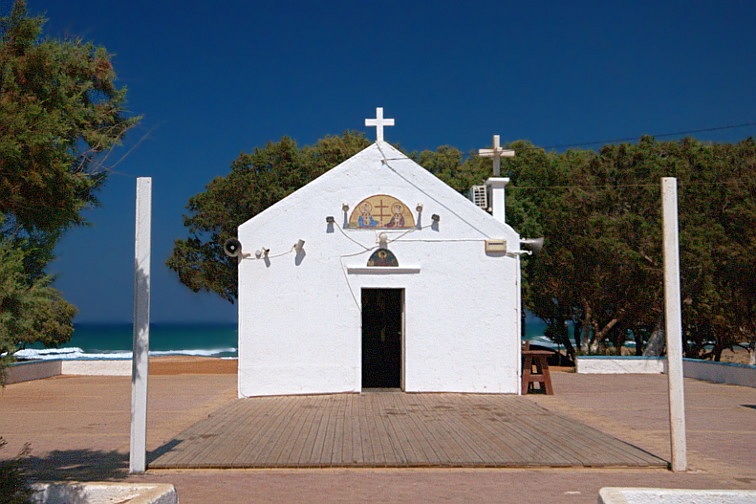
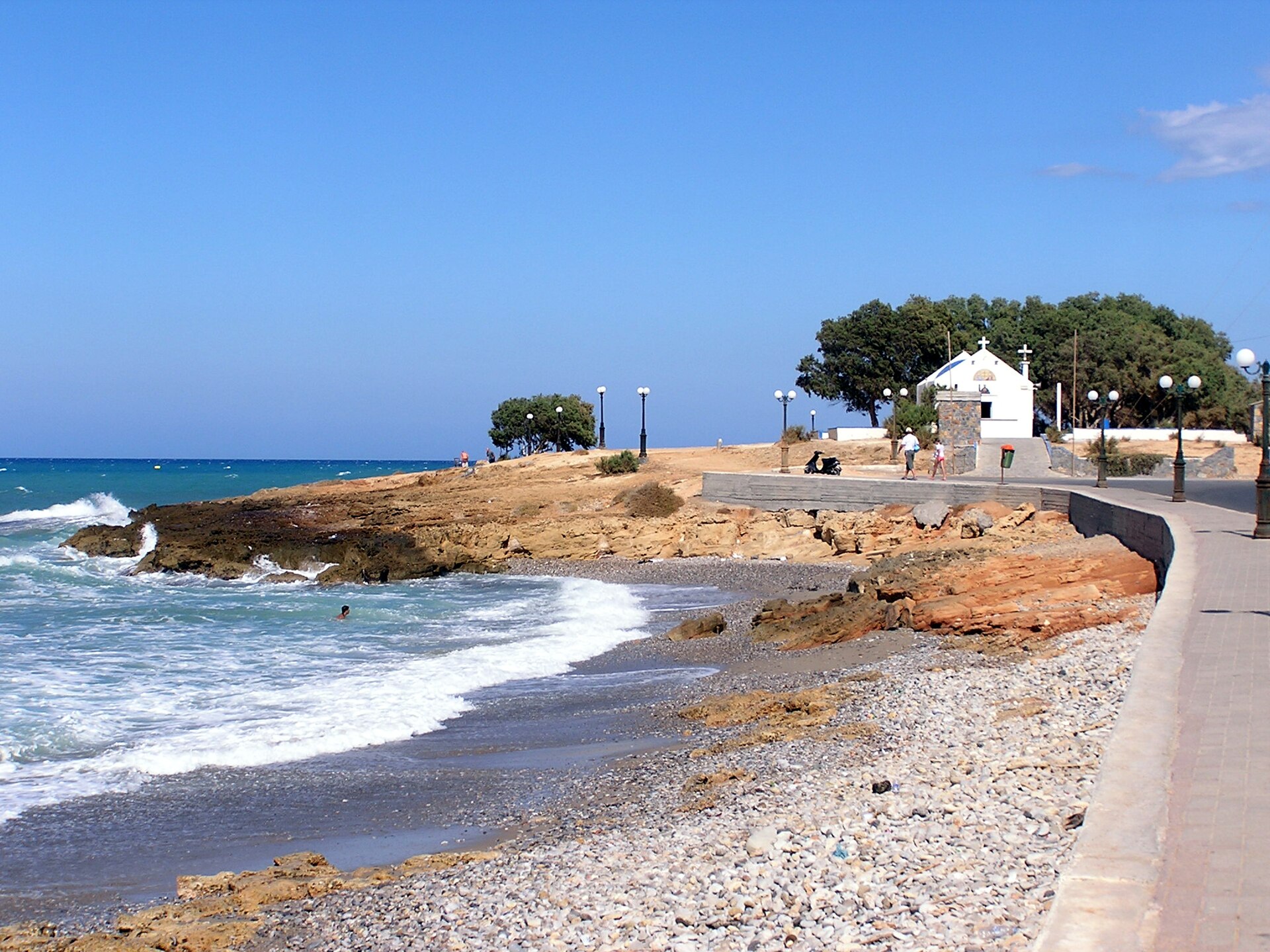
At the heart of the village's tourist experience is its long stretch of fine golden sand, running for over a kilometre along the bay. The sandy seabed and gradual slope make it one of the most popular destinations for families with young children along the whole north coast of Crete, while the Blue Flag flying over several stretches in recent years certifies the quality of the water. Sunbeds and umbrellas are carefully arranged by the establishments lining the seafront, but there are always wide free stretches for those who prefer to lay out a towel without paid facilities. The afternoon meltemi wind also makes it a favourite with windsurfers and those practising light sailing sports.
The Cretaquarium, a window onto the Mediterranean
A few minutes from Kato Gouves, on the site of the former NATO air base at Gournes, stands the Cretaquarium, one of the most important aquariums in Greece and the entire eastern Mediterranean basin. Born from a collaboration with the Hellenic Centre for Marine Research, it houses over two thousand specimens of 200 different species in tanks that recreate Crete's underwater environments, from the depths to the seagrass meadows. It's a perfect stop for a day away from the sea, especially with children, and tells with great educational care the richness — and fragility — of the marine ecosystem that washes the very shores of the village.
Malia and the Minoan palace
Anyone staying in Kato Gouves has within easy reach one of the four great palaces of the Minoan age discovered in Crete, alongside Knossos, Phaistos and Zakros. The archaeological site of Malia, dating back to around 1900 BC in its first phase and rebuilt after an earthquake around 1700 BC, reveals a complex of storerooms, ceremonial courtyards, a game court and residential quarters that bear witness to the sophisticated organisation of Minoan society. Walking among these stones, a stone's throw from the sea where ships once docked carrying pottery and luxury goods throughout the Mediterranean, helps one grasp the historical depth of this coast, today known chiefly for its beach holidays.
Ano Gouves and the hilly hinterland
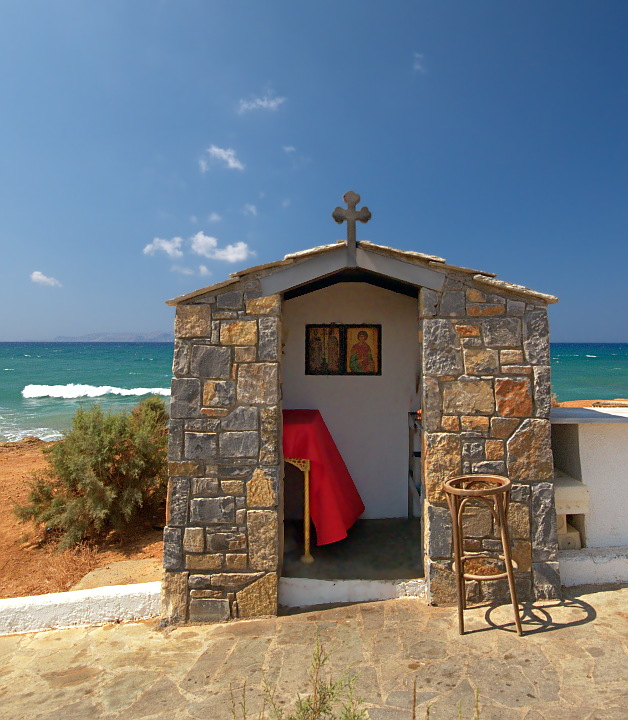
Climbing from the coast towards the interior you reach Ano Gouves, the older village from which Kato Gouves originally sprang, still characterised today by stone alleys, traditional houses and an agricultural pace of life. This is where you breathe the most authentic Crete, with small Byzantine churches, family vegetable gardens and centuries-old olive groves producing an intensely flavoured oil, prized throughout the region. A walk or a short drive between the two settlements lets you grasp the contrast — and at the same time the continuity — between the Crete of coastal tourism and the rural Crete that endures on the hillsides.
The landscape between sea and mountain
The geography of Kato Gouves tells the double soul of Crete well: to the north the blue expanse of the Cretan Sea, often rippled by the afternoon wind, to the south the first foothills leading up to the Psiloritis range, the island's highest mountain, visible on clear days as a distant backdrop. Between the two extremes stretches a band of olive groves, vineyards and small citrus orchards, testimony to an agricultural vocation never entirely abandoned despite tourism development. The few rocky coves that break up the long beach offer wilder glimpses, appreciated by those seeking a swim away from the rows of sunbeds.
Flavours and local cuisine
The taverns of Kato Gouves follow the great Cretan gastronomic tradition, among the most studied in the world for its links to the famous Mediterranean diet. There's never a shortage of olive oil produced on the nearby hills, fresh cheeses such as mizithra and graviera, wild greens (the famous "horta") gathered in the surrounding fields, and lamb and rabbit cooked in stews with local wine. On the fish front, the proximity to the port of Heraklion guarantees tables rich in squid, grilled octopus and the catch of the day, often accompanied by raki, the grape spirit that closes every Cretan meal as a gesture of hospitality.
Nightlife and closeness to Chersonissos and Malia
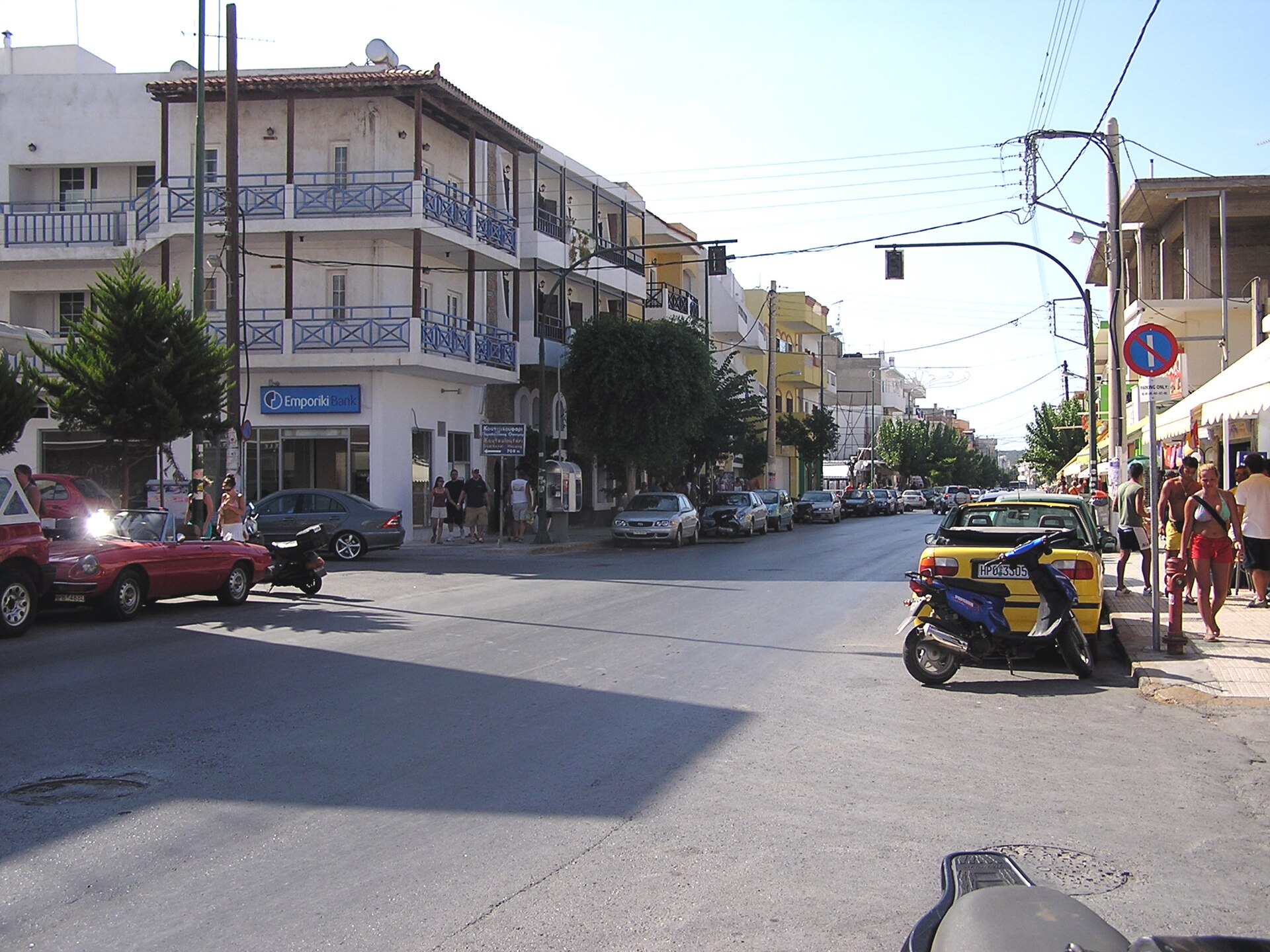
Those looking for a quieter stay will find a family atmosphere in Kato Gouves, but the lively nightlife of Chersonissos and Malia — among Europe's most popular destinations for young tourists — is just a handful of kilometres away, reachable in a few minutes by car or by the frequent local buses. This makes the village an ideal base for those who want to alternate relaxed beach days with evenings out at the coast's liveliest venues, without having to put up with the night-time noise right on their doorstep.
When to go
The beach season in Kato Gouves runs from May to October, with June and September ideal for those seeking pleasant temperatures and fewer crowds than the height of July and August, when the heat can become intense and accommodation fills up with families and European groups. Spring, with the olive trees and surrounding countryside in bloom, is perfect for those who want to combine the sea with excursions into Crete's interior, while winter sees the village return to an almost exclusively local pace, with many tourist businesses closed.
Not-to-be-missed experiences
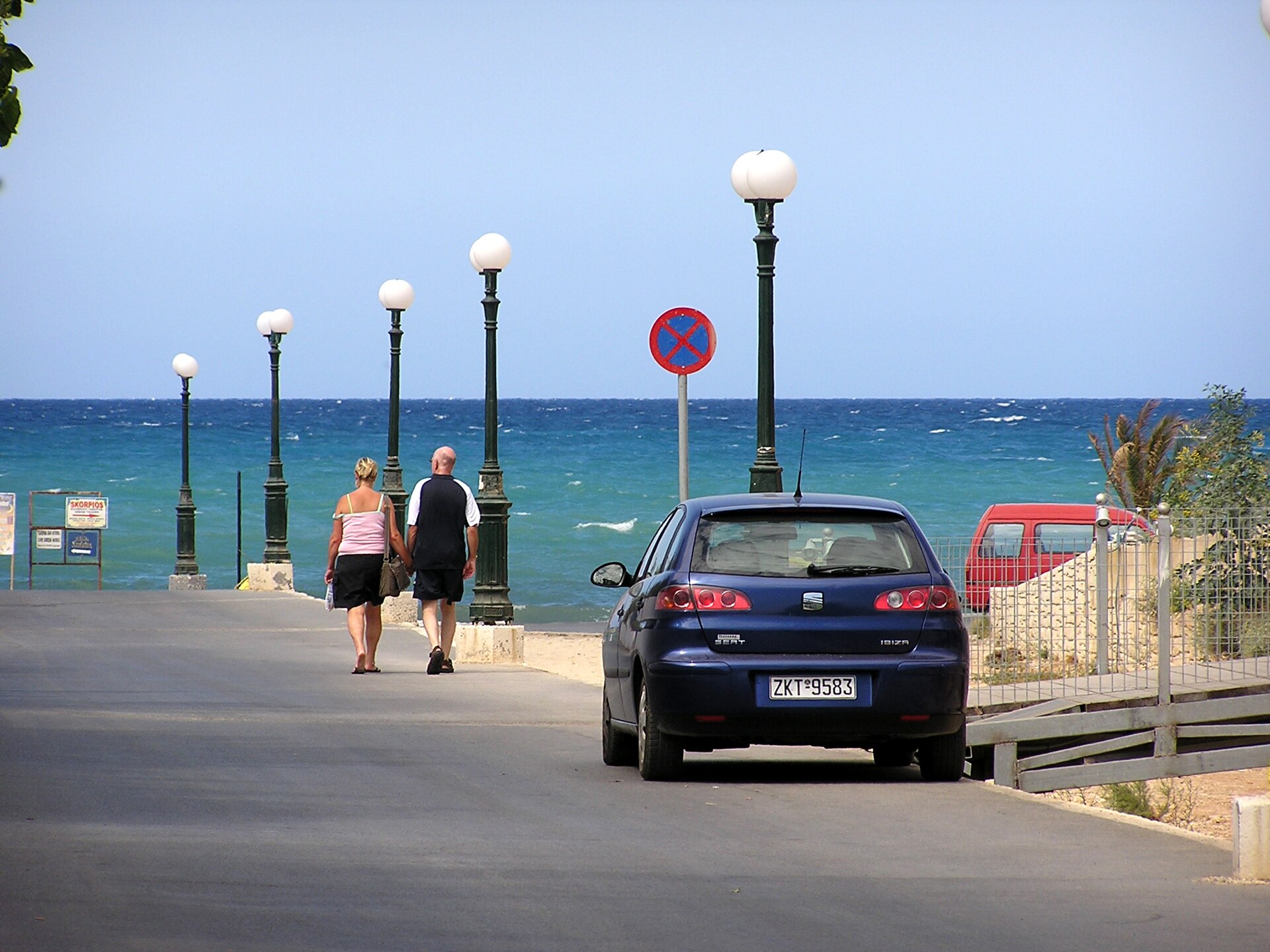
- A swim on the long sandy beach of Kato Gouves, ideal for families
- A visit to the Cretaquarium at Gournes to discover Mediterranean marine life
- An excursion to the Minoan archaeological site of Malia
- A stroll through the traditional alleys of Ano Gouves
- A tavern dinner with dishes of Cretan cuisine and a final raki
- A night out in nearby Chersonissos or Malia
- A trip inland among olive groves and the slopes of Mount Psiloritis
FAQ
Come si raggiunge Kato Gouves dall'aeroporto di Heraklion?
Qual è il periodo migliore per visitare Kato Gouves?
Cosa vedere in un giorno a Kato Gouves e dintorni?
Kato Gouves è adatta alle famiglie con bambini?
Si trova parcheggio facilmente vicino alla spiaggia?
Kato Gouves è una buona base per chi cerca vita notturna?
Getting there
- Aeroporto Internazionale di Heraklion "Nikos Kazantzakis" (HER), circa 20 km
- Creta non dispone di rete ferroviaria: gli spostamenti avvengono su gomma
- Da Heraklion si segue la strada costiera nazionale in direzione est verso Chersonissos e Malia; Kato Gouves si trova circa a metà percorso, ben segnalata dalle uscite principali.
- In alta stagione conviene noleggiare un'auto in aeroporto per muoversi con libertà fra spiaggia, siti archeologici e villaggi dell'entroterra, evitando le attese dei bus nelle ore di punta.
Perfect for
Spiaggia sabbiosa e fondale basso, perfetti per famiglie e bagni rilassati con vista sul mare Cretese.
A pochi minuti dal palazzo minoico di Malia, una delle testimonianze archeologiche più importanti d'Europa.
Il Cretaquarium racconta la vita marina del Mediterraneo, mentre l'entroterra svela uliveti e colline verso lo Psiloritis.
Taverne tradizionali con cucina cretese autentica, fra olio d'oliva locale, formaggi freschi e raki.
Base tranquilla a due passi dai locali e dai bar della vicina Chersonissos e Malia.
To see