

Misiria
The name Misiria does not appear among the great pages of Cretan history: for centuries it was little more than a hamlet of fisher...
Updated 8 July 2026
This season · July · Summer
What to do in Misiria now
The story
The story of Misiria
From the Minoan origins to Venetian Crete
Crete is the cradle of Minoan civilisation, the first great European civilisation, which flourished between the third and second millennium BC around the palaces of Knossos, Phaistos and Malia. The Rethymno area, where Misiria stands today, was inhabited from that era onward, even though the island's great archaeological sites are concentrated further east. After the Minoan decline and the Roman and Byzantine interlude, Crete passed in 1204 under the rule of the Republic of Venice, which governed it for over four centuries under the name of the Kingdom of Candia. It was then that Rethymno became a leading fortified port, while the surrounding coastal villages, including the first settlements that would give rise to Misiria, remained small farming and fishing communities serving the city.
Ottoman rule and the transformation of the hinterland
In 1646 Rethymno fell to the Ottoman siege, the final act of a conquest that within a few years brought the whole of Crete under the control of the Sublime Porte. Turkish rule, which lasted more than two centuries, profoundly transformed the urban landscape of Rethymno, enriching it with mosques, minarets and fountains, but left the rural hinterland substantially faithful to its agricultural vocation: olive trees, vineyards and small vegetable gardens that still shape the hills behind Misiria today. These were also the centuries of the Cretan revolts, always suppressed but never extinguished, which paved the way for the nineteenth-century uprising and, finally, for the island's union with Greece in 1913, after a period of autonomy under the great European powers.
The Battle of Crete and twentieth-century memory
The twentieth century brought to Rethymno one of the most dramatic chapters in Cretan history: the Battle of Crete in May 1941. German paratroopers attempted to seize the airstrip east of the city, defended by Greek units and by Australian and New Zealand battalions that inflicted extremely heavy losses on the attackers before being overwhelmed. In the following days the entire coastal strip that today includes Misiria became the scene of clashes and raids, followed by acts of reprisal that struck hard at the civilian population. The memory of those days remains alive in the small monuments and war cemeteries scattered around the area, silent testimony to a resistance that Cretans still remember with pride.
The beach of Misiria
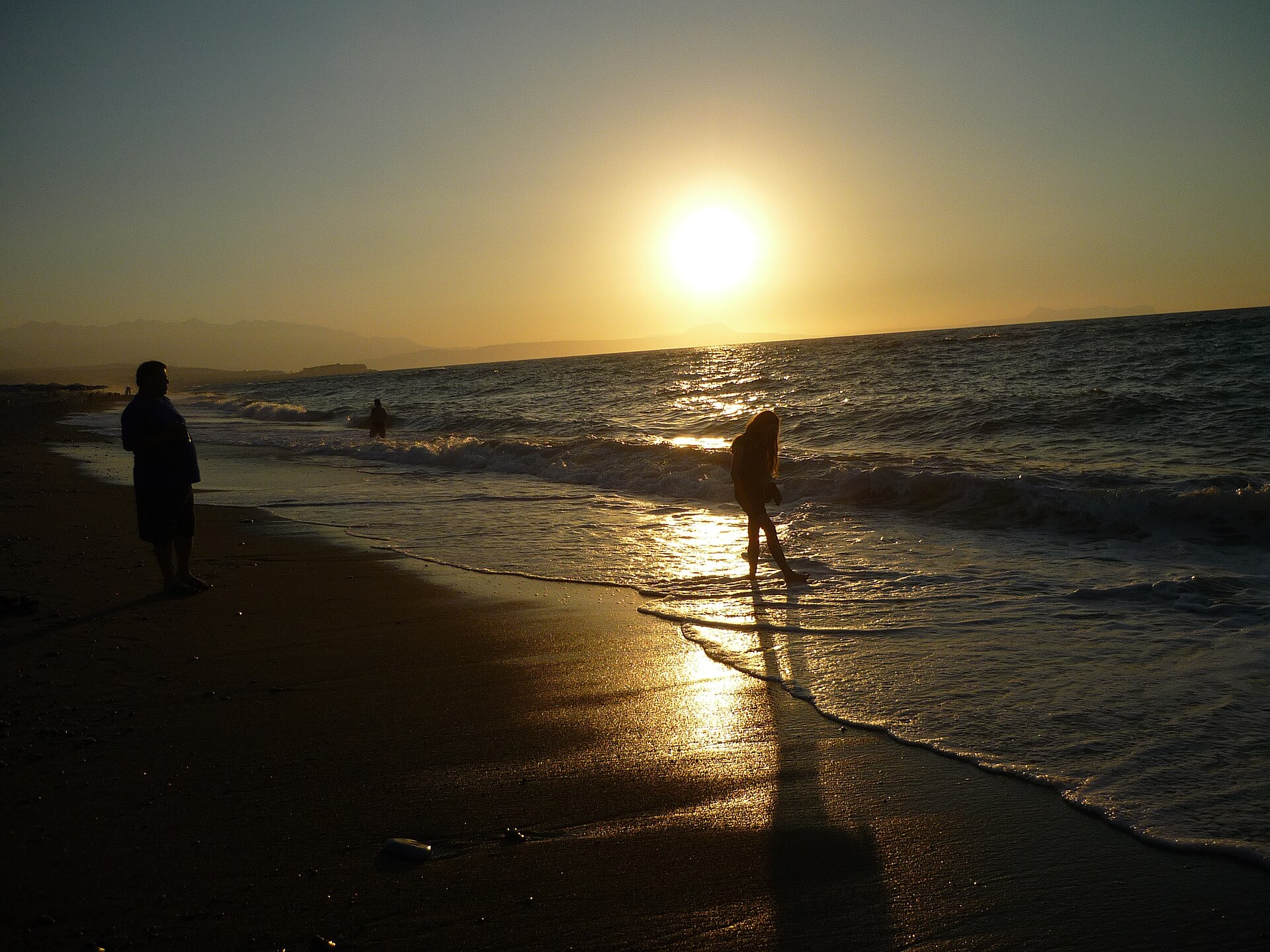
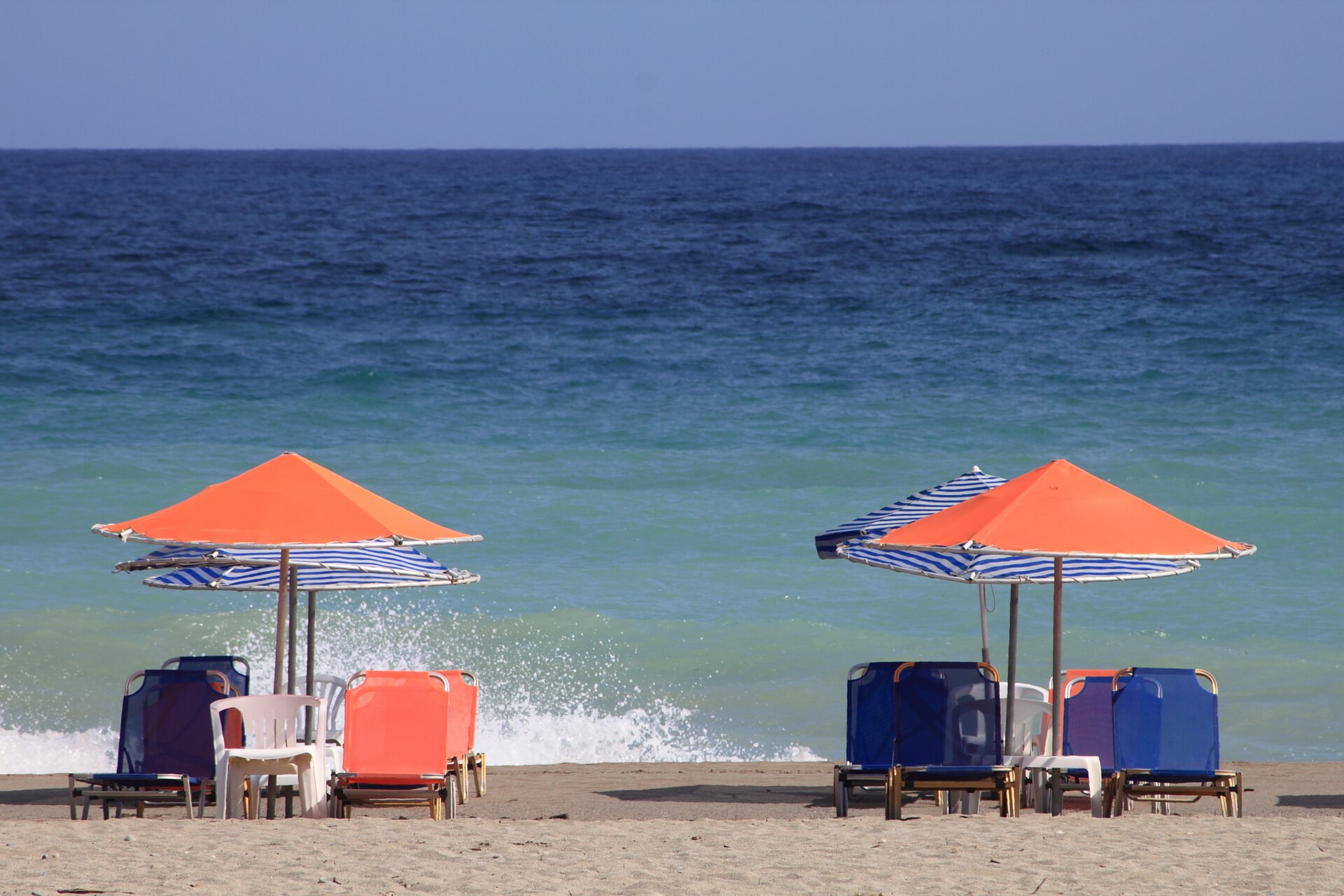
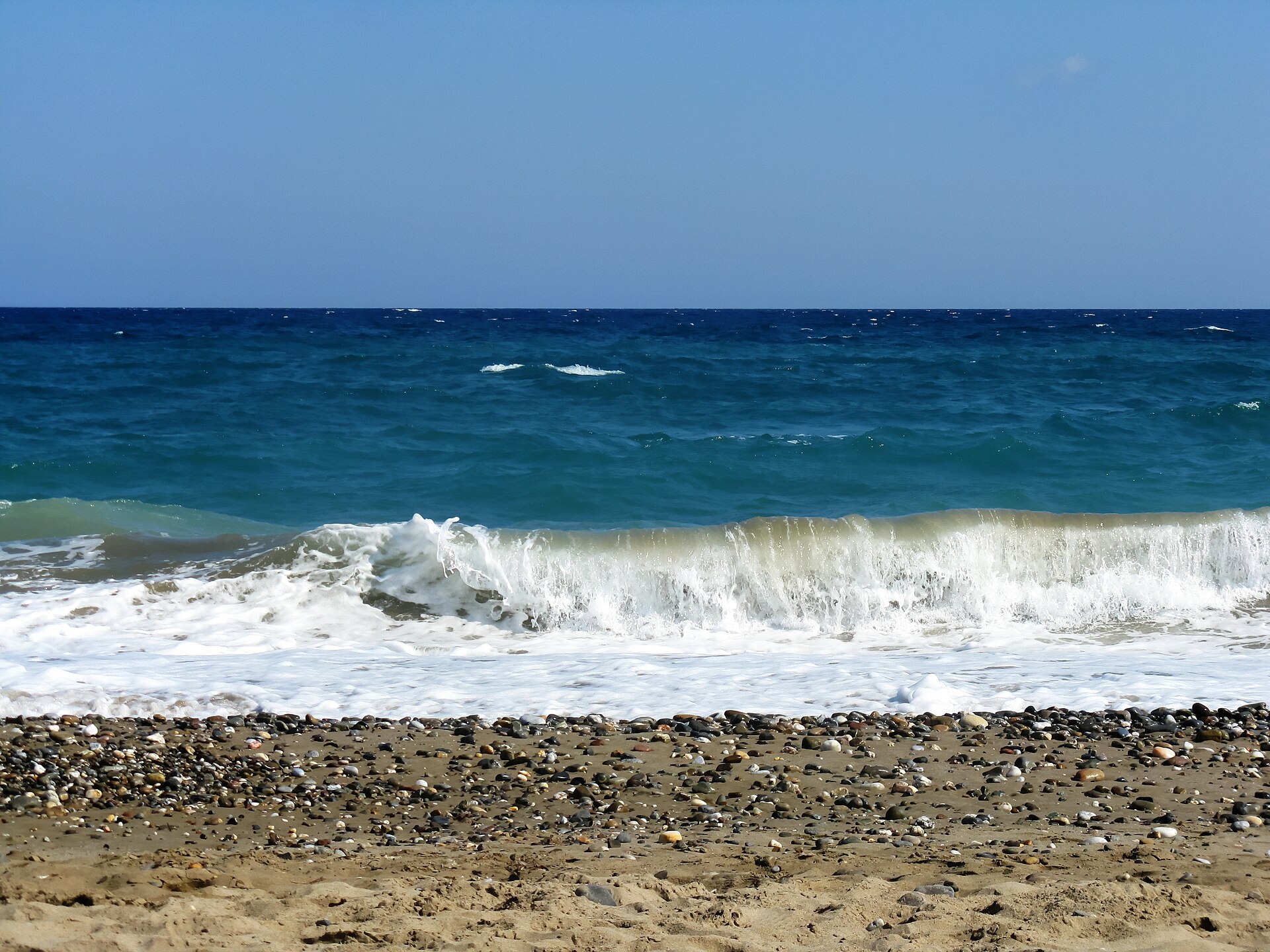
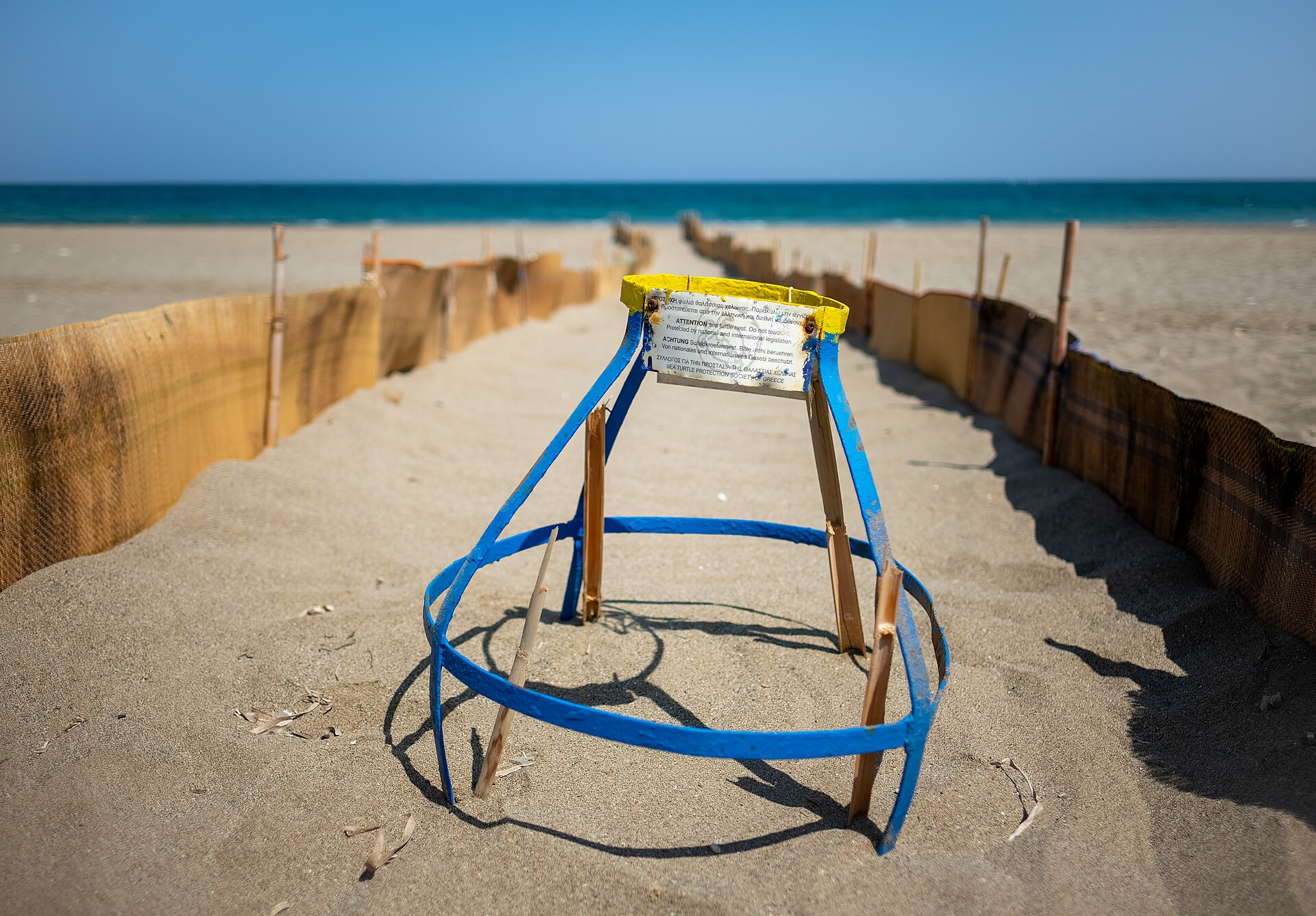
The real reason Misiria is known today beyond the borders of Rethymno is its beach: a long stretch of golden sand mixed with fine pebbles, running uninterrupted towards Platanes to the west and towards Adele and Scaleta to the east, forming a single shoreline several kilometres long. The seabed slopes gently, making the water ideal for families with children, while the blue flags awarded to several stretches of the coast certify the quality of the waters. Behind the shoreline, the belt of hotels, resorts and apartments that now characterises Misiria has developed over recent decades, but the beach still retains free stretches where there are no sunbeds at all, just sand, tamarisk trees and the sound of the sea.
Rethymno and the Venetian Fortress
A few kilometres from Misiria lies the historic centre of Rethymno, one of the best preserved on Crete. The town is dominated by the Fortezza, an immense citadel built by the Venetians between 1573 and 1580 to defend against attacks by Barbary pirates and the Turks: within its walls, which stretch for over a kilometre, still stand the cathedral, the remains of ancient churches and, curiously, the mosque of Sultan Ibrahim dating from the Ottoman period. At the foot of the fortress lies the old town, a maze of Venetian alleyways with wooden balconies, the Rimondi Fountain from 1626 and the minaret of the Neratze Mosque, now a concert hall, while the small Venetian harbour with its Egyptian lighthouse remains one of the most photographed spots on the island.
The Monastery of Arkadi, a memory of independence
About twenty kilometres inland stands the Monastery of Arkadi, one of the symbolic places of Cretan identity. Founded in the Byzantine era and rebuilt in Venetian style in the sixteenth century, the monastery became in November 1866 the scene of one of the most tragic and celebrated episodes in the island's history: besieged by Ottoman troops during the great Cretan revolt, the monks and the civilians who had taken refuge there blew up the gunpowder store rather than surrender, causing hundreds of deaths among defenders and besiegers alike. The episode aroused the indignation of European public opinion and turned Arkadi into a secular shrine of Cretan resistance, still a destination today for civic pilgrimages and school trips.
The coastal landscape of the Rethymno Riviera
The coast overlooked by Misiria is part of what tour operators call the Rethymno Riviera, a continuous sandy shoreline running parallel to the road connecting Rethymno to Heraklion. It is an open landscape, swept by the summer meltemi wind, dotted with palm trees, tamarisks and oleanders that offer a little shade during the hottest hours. Towards the sea the horizon is almost always clear, with the silhouette of the Akrotiri peninsula visible to the west on the clearest days; inland, however, the landscape quickly changes character, climbing among terraced olive groves and bare hills that prepare the eye for the island's more imposing mountains.
The hinterland and the mountains of Psiloritis
Behind Misiria, the coastal plain soon gives way to the foothills of Mount Ida, which the Cretans call Psiloritis: at 2,456 metres it is the island's highest peak and, according to myth, the place where Zeus was raised in a secret cave to escape his father Cronus. The mountain villages encountered as you climb inland from Rethymno still live from shepherding, goat and sheep farming, and the production of cheeses such as graviera and mizithra, as well as one of Greece's most prized olive oils. For those who want to get away from the coast even for just a day, the Amari plateau or the slopes of Psiloritis offer a more authentic, less touristy face of Crete.
The neighbouring hamlets: Platanes, Adele and Scaleta
Misiria is not an isolated case but part of a chain of small coastal centres that have experienced parallel tourism development in recent decades. To the west lies Platanes, closer to Rethymno and just as lively; to the east, Adele, with an old nucleus perched on a small hill a short distance from the sea, and Scaleta, more intimate and residential. Each of these hamlets retains a small church, a few historic taverns and a pace of life that noticeably slows as soon as you move away from the hotel strip. Moving between these villages, on foot along the beach or by bicycle along the coastal road, is one of the best ways to get a real sense of how this part of Crete lives.
Cretan traditions and popular culture
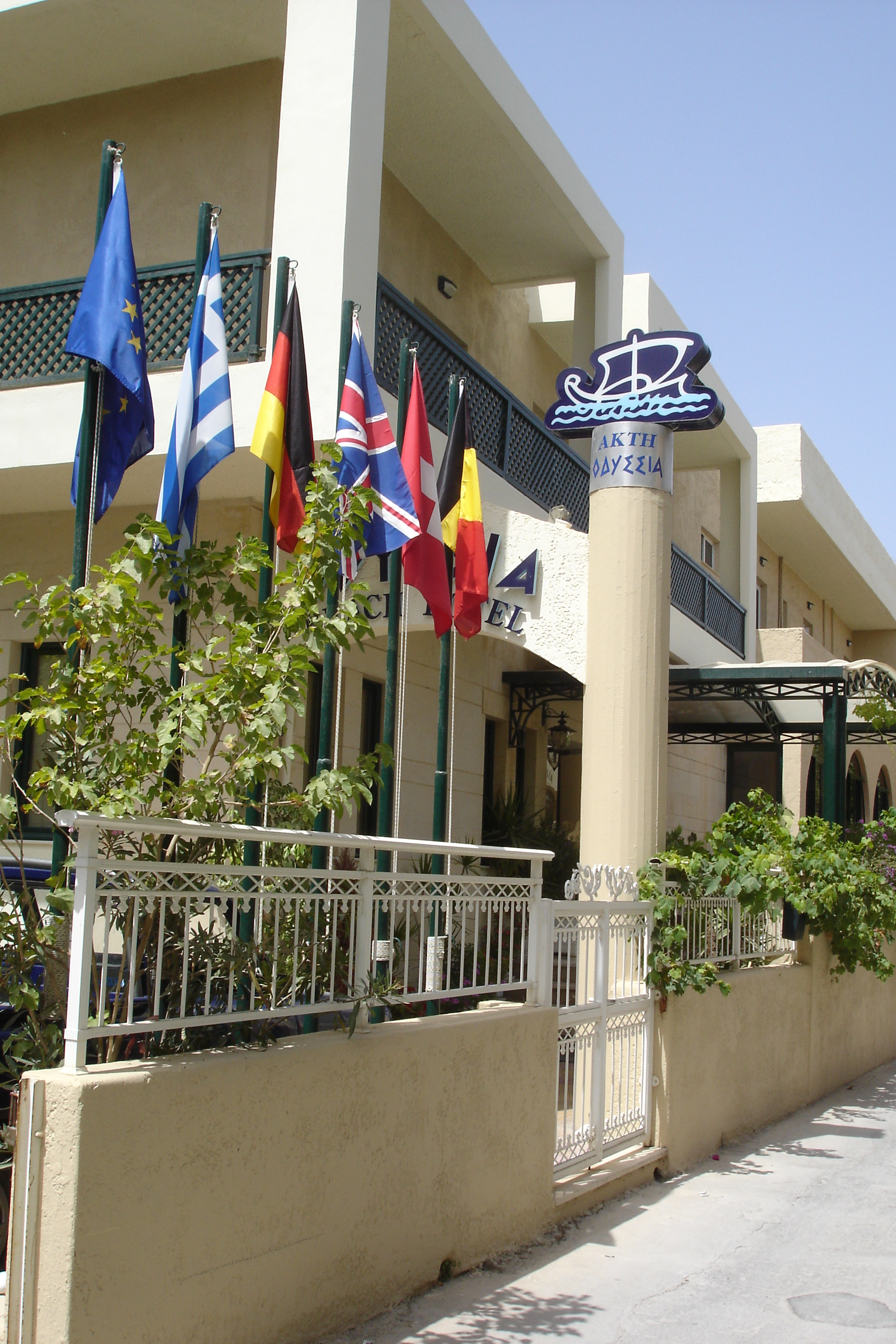
Cretan popular culture endures strongly even in tourist villages such as Misiria, especially during the patron saint festivals, the panigyria, which bring village churches to life with music, food and dancing late into the night. The Cretan lyra, the three-stringed fiddle played with a bow, still accompanies weddings and celebrations today, together with the lute and the mantinades, short improvised rhyming verses that Cretans exchange on convivial occasions. Hospitality, filoxenia, remains a deeply felt value: it is not uncommon for a taverna owner to offer a small glass of raki and a plate of fruit at the end of a meal, unasked, a simple gesture of welcome that reveals the character of the island more than many pages of history.
The flavours of Misiria and Crete
The cuisine of Misiria and the surrounding area of Rethymno is the most authentic Cretan cuisine, based on simple ingredients and an olive oil that reaches excellent quality here. In village taverns, far from the tourist menus of the seafront, you can still find traditional peasant dishes: lamb or kid roasted in the oven with potatoes, snails in sauce, fresh goat and sheep cheeses, wild greens dressed with lemon and oil. Local wine, often served straight from the barrel, and tsikoudia, the artisanally distilled grape-must spirit, accompany almost every meal and every conversation, in a convivial ritual that Cretans have never stopped practising.
- Dakos, the Cretan "bruschetta" with tomato, mizithra and oregano
- Kalitsounia, small sweet or savoury parcels filled with fresh cheese
- Lamb or kid roasted in the oven with potatoes and wild herbs
- Chochlioi boubouristi, snails fried in oil and vinegar
- Tsikoudia, the local spirit distilled from grape must
- Thyme honey and extra virgin olive oil from the Rethymno hinterland
When to go
The best time to visit Misiria runs from late April to June and from September to mid-October, when temperatures are already high but not overwhelming, the sea is beginning or continuing to be warm, and the coast is not as crowded as at the height of summer. July and August remain the busiest months, offering a lively atmosphere and very long days, but also higher prices and fuller beaches, especially on Greek weekends. Winter, mild by Mediterranean standards but rainy, is the season of the locals: many tourist facilities close, while Rethymno and the inland villages reveal a more authentic face, ideal for those seeking culture, hiking and food and wine without the seaside crowds.
Experiences not to be missed
Those staying in Misiria have an excellent base for exploring both the coast and the Rethymno hinterland, alternating days at the beach with short cultural or mountain excursions. Just a few kilometres in any direction is enough to completely change the atmosphere, from the lively seafront to the Venetian alleyways, from the shrines of Cretan memory to the silent villages on the slopes of Psiloritis.
- A sunset walk on the free beach towards Adele
- A day in Rethymno's Venetian old town, between the Fortezza and the harbour
- A visit to the Monastery of Arkadi and its history of resistance
- A trip inland among olive groves and mountain villages of Psiloritis
- Dinner at a village taverna away from the tourist seafront
- A boat trip along the coast towards Bali or the Akrotiri peninsula
FAQ
Come si arriva a Misiria dall'aeroporto?
Qual è il periodo migliore per andare a Misiria?
Cosa si può vedere in un solo giorno partendo da Misiria?
Si trova facilmente parcheggio a Misiria e a Rethymno?
Quanti giorni consiglia di restare a Misiria?
Misiria è adatta a famiglie con bambini e a chi viaggia con animali?
Getting there
- Aeroporto di Chania "Ioannis Daskalogiannis" (circa 65 km)
- Aeroporto di Heraklion "Nikos Kazantzakis" (circa 85 km)
- Misiria si raggiunge percorrendo la strada nazionale costiera che collega Chania, Rethymno e Heraklion, uscendo pochi minuti a est del centro di Rethymno sulla vecchia strada litoranea.
- Noleggiare un'auto è quasi indispensabile per muoversi lungo la costa e raggiungere l'entroterra; gli autobus KTEL collegano Rethymno ai villaggi vicini, ma con corse più rade fuori dalla stagione estiva.
Perfect for
Una spiaggia lunga, sabbiosa e a bassa profondità, perfetta per famiglie e per lunghe passeggiate al tramonto.
Dalla Fortezza veneziana di Rethymno al Monastero di Arkadi, un concentrato di memoria bizantina, veneziana, ottomana e novecentesca.
L'entroterra sale rapidamente verso il Psiloritis, tra uliveti terrazzati e villaggi pastorali lontani dalla costa.
Taverne di paese, olio d'oliva di qualità, formaggi freschi e tsikoudia per chi vuole conoscere Creta anche a tavola.
Il ritmo lento della vita cretese, tra hotel sul mare e villaggi vicini dove il tempo sembra scorrere più piano.
To see