Platanias
On the morning of 20 May 1941, the dawn over the hills west of Chania filled with the roar of Junkers engines: the Battle of Crete...
Updated 8 July 2026
This season · July · Summer
What to do in Platanias now
The story
The story of Platanias
The name and origins of a fishing village
Platanias takes its name from the plane trees that once grew along the small seasonal stream running through the settlement, a detail that tells much about the place's original nature: a rural hamlet in the plain of Kydonia, the ancient name for the Chania region, living for centuries off fishing, olive growing and small-scale farming. There are no great ruins to visit, but the area falls within territory that already in Minoan and Greco-Roman times gravitated around Kydonia, one of the most important city-states of western Crete. Throughout the Byzantine period and beyond, Platanias remained a small satellite settlement, its fate always tied to that of the larger city nearby, today home to one of the island's most captivating historic centres.
Chania between Venetians and Ottomans: the history that shaped the coast
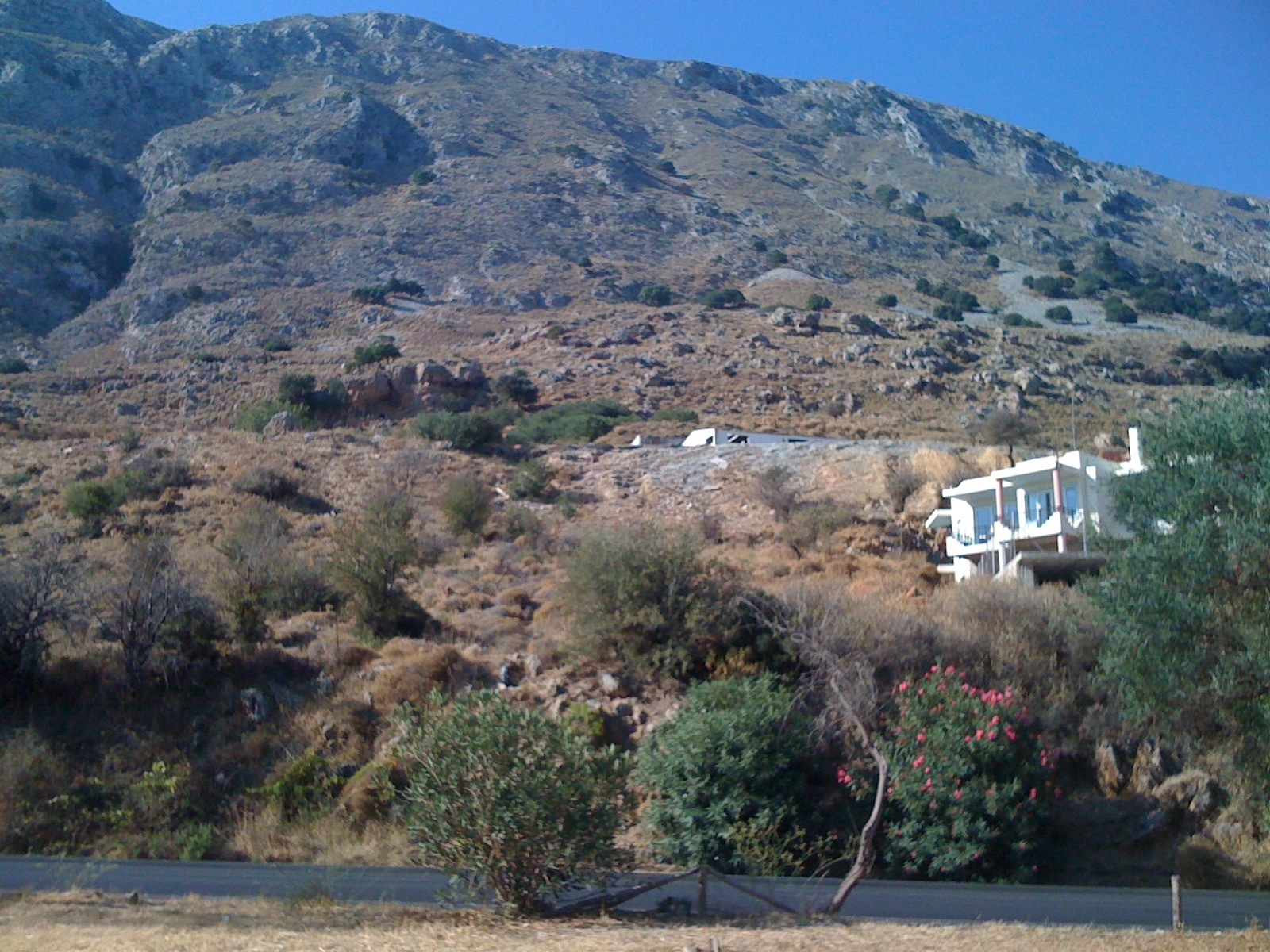
To understand Platanias one must look to Chania, which from 1252 to 1645 was one of the maritime strongholds of the Republic of Venice, fortified and turned into a strategic port for trade with the Levant. In 1645 the city fell under Ottoman siege, ushering in over two centuries of Turkish rule that left behind mosques, hammams and an urban fabric still legible in the old harbour. The bloody, recurring Cretan revolts of the nineteenth century led in 1898 to the birth of the autonomous State of Crete and, finally, in 1913, to union with Greece. Coastal villages like Platanias, then tiny farming hamlets, lived through these centuries of rule, revolt and changing sovereignty by reflection, which gave the entire western region a proud, distinctive character.
May 1941: the battle of the paratroopers over Maleme
The airfield at Maleme, a few minutes from Platanias, was the scene of the decisive clash of the Battle of Crete: thousands of German Fallschirmjäger dropped onto the surrounding hills in an attempt to seize the airstrip, defended by New Zealand, British and Greek troops together with Cretan volunteers armed to the teeth, often with nothing more than old hunting rifles. The fighting, brutal and chaotic, inflicted enormous losses on the German paratroopers, to the point that the operation nearly failed in its first hours; the capture of the airfield, finally achieved on 21 May, nonetheless opened the way to the occupation of the whole island. The episode is remembered as one of the most dramatic moments of the Second World War in the Mediterranean and as proof of Cretan popular resistance, which paid a very high price in the months that followed with harsh reprisals in the inland villages.
The German Military Cemetery of Maleme
On Hill 107, overlooking Maleme airfield and the sea, the German military cemetery has stood since 1974: over four thousand four hundred fallen soldiers, many of them very young paratroopers, rest beneath rows of stone slabs among bushes of rosemary and Mediterranean heather. A small information pavilion tells the story of the battle through period photographs and operation maps, while from the highest point the eye takes in both the airstrip where it all happened and the blue expanse of the sea at Platanias. It is a place for quiet reflection rather than tourism in the strict sense, but it remains a stop that helps one read the surrounding landscape with different eyes, giving historical depth to a coast today almost entirely devoted to holidaymaking.
The Monastery of Panagia Gonia at Kolymvari
A little over ten kilometres from Platanias, on the headland leading to the Rodopou peninsula, the Gonia Monastery was founded in 1618 by Orthodox monks as a spiritual and material bulwark of the Cretan Christian community under Ottoman pressure. Its thick stone walls still hold, embedded in the façade, a cannonball recalling the clashes with the Turkish fleet in the seventeenth century. Inside, a small museum houses Byzantine and post-Byzantine icons of considerable value, while the monks continue to produce olive oil and wine according to age-old traditions. The visit, brief but intense, is often paired with a stop in the nearby village of Kolymvari, with its sheltered bay and fish taverns overlooking the pier.
Platanias beach and the golden shoreline

The Platanias shoreline is a long strip of dark sand mixed with fine pebble that slopes gently into a shallow, clear sea, ideal for those seeking comfort more than absolute solitude: rows of umbrellas, sun loungers and beach bars enliven the central stretch above all, while heading west toward Gerani the beach becomes progressively wilder and quieter. The northwesterly wind that often blows in the afternoon makes this stretch of coast popular with windsurfing and kitesurfing enthusiasts too. Behind the sand runs a promenade lined with hotels, restaurants and shops, which comes alive in the evening as the true hub of the village's social life.
Agia Marina and the neighbouring villages
Platanias blends almost seamlessly into Agia Marina, its immediate neighbour toward Chania, so much so that to visitors the two settlements appear as a single unbroken seafront of hotels and beach establishments. Set further back, the old core of Platanias survives inland, around the square shaded by plane trees and the small parish church, where the taverns still serve traditional dishes at prices far removed from those on the seafront. Continuing west one comes across Gerani, with its greenhouses and cultivated fields, and Tavronitis, an agricultural hub at the mouth of the river of the same name, often the starting point for those heading up into the mountain villages of the Chania hinterland.
The White Mountains and the agricultural hinterland
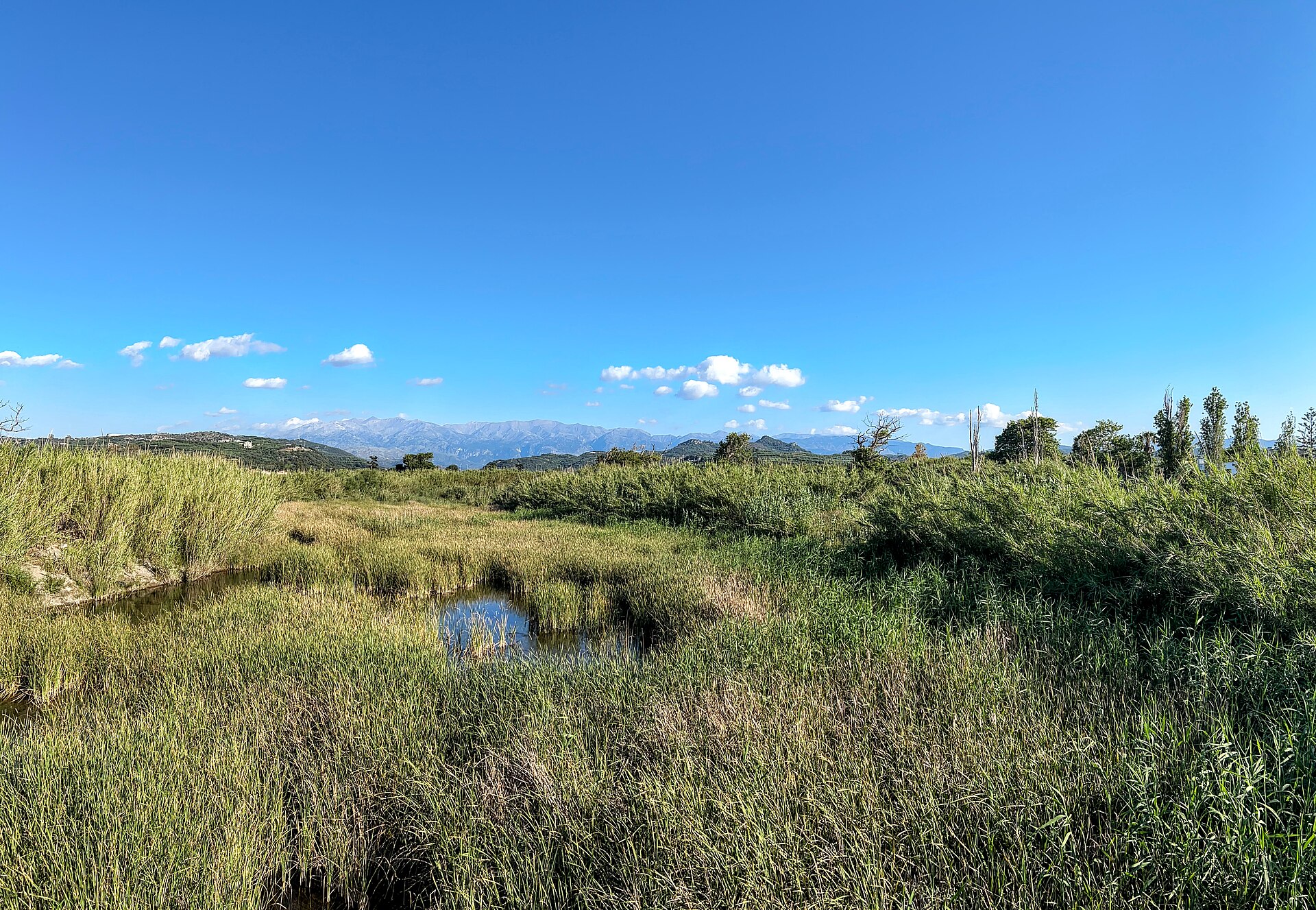
Behind the coastal strip the landscape changes rapidly: centuries-old olive groves and citrus orchards give way to increasingly steep hills, up to the Lefka Ori, the White Mountains, which often remain snow-capped well into May and dominate the horizon from almost every point in Platanias. They are the wild heart of western Crete, cut through by deep gorges and trekking paths favoured by experienced hikers, and represent a sharp natural counterpoint to the seaside life of the coast. The Tavronitis area, at the foot of the hills, is known for intensive greenhouse cultivation, while further south the mountain villages preserve a pastoral and agricultural economy that seems light years away from the touristic rhythms of the shore.
Cretan flavours and traditions to savour
The cuisine of this part of Crete tells of a peasant civilisation of great substance: dakos, a slice of moistened barley bread topped with tomato, mizithra cheese and olive oil, often opens the meal alongside kalitsounia, small pastry parcels filled with fresh cheese or wild herbs. There is no shortage of apaki, pork smoked with aromatic herbs, nor of the extra-virgin olive oil produced by the groves surrounding the village, among the finest on the island. At the end of the meal it is traditional to offer a small glass of raki, the local tsikoudia distilled from grape pomace, often accompanied by a spoonful of honey to sweeten it in the rakomelo variant. The patron saint festivals of nearby villages, with live music played on the Cretan lyra and laouto, remain the best occasion to experience this popular culture up close.
When to go and how to experience Platanias
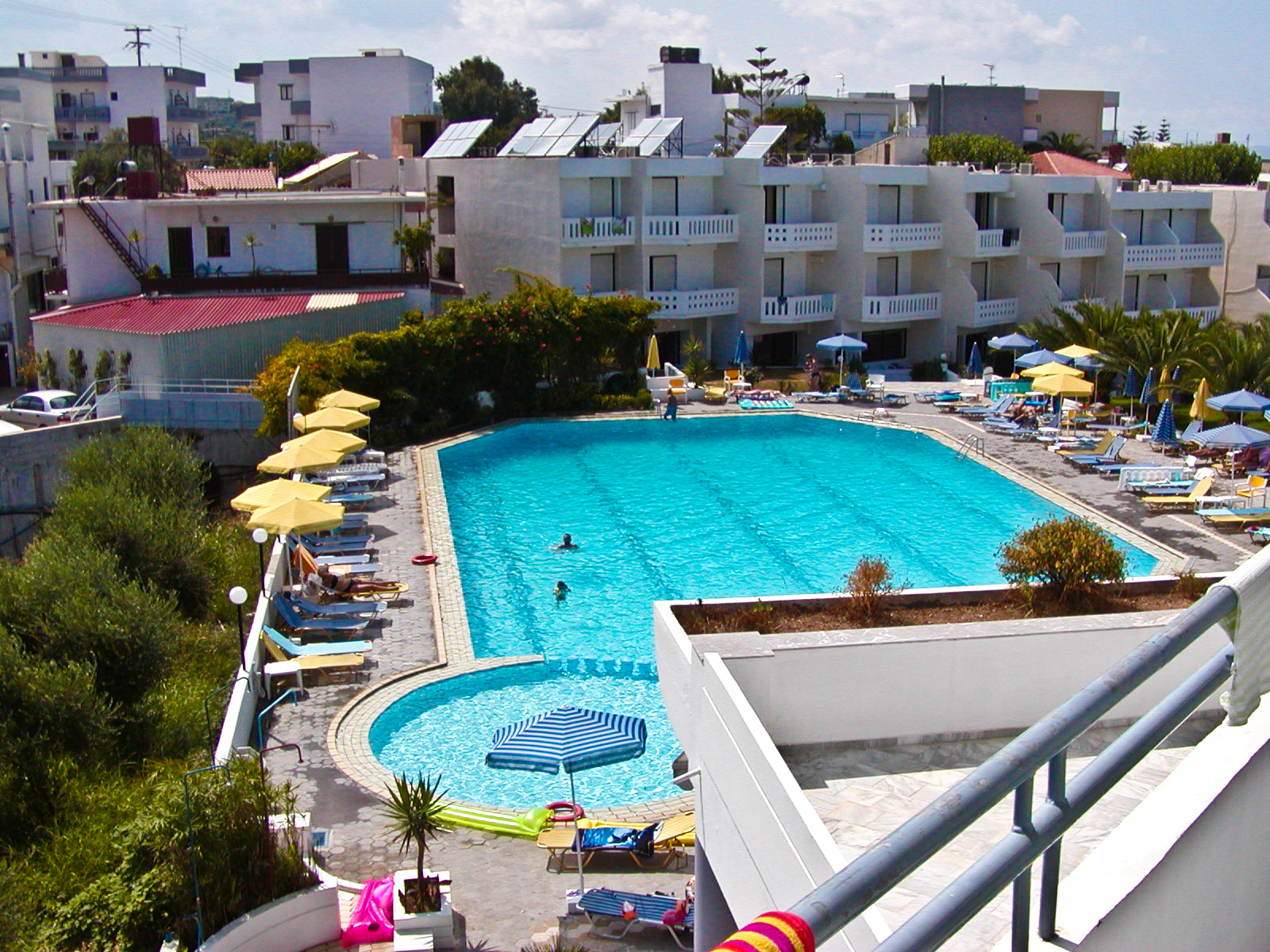
The months of May, June and the first half of September offer the most balanced climate: the sea already warm or still mild, pleasant temperatures and a smaller tourist influx compared with the height of July-August, when Platanias becomes one of the hubs of western Chania's nightlife, with bars and beach clubs open until late. October still brings sunny days and swimmable waters, with the advantage of more affordable prices and a slower pace. In every season a rental car is advisable to make the most of the village's strategic position, an ideal base for reaching both Chania's historic centre and the mountain villages and more remote beaches of the Rodopou peninsula in a short time.
- Swim on Platanias's sandy beach at dawn, before the bathers arrive
- Dine on fresh fish at sunset in a seafront tavern
- Visit the German military cemetery at Maleme and the small battle museum
- Reach the Monastery of Panagia Gonia at Kolymvari and its icon museum
- Take a boat from Kolymvari toward the wild Rodopou peninsula
- Stroll in the evening through the old village, among the taverns shaded by plane trees
- Devote a day to Chania's Venetian harbour and the alleys of its historic centre, just 12 km away
FAQ
Come si arriva a Platanias?
Qual è il periodo migliore per andare a Platanias?
Cosa vedere a Platanias in un giorno?
Dove si parcheggia a Platanias?
Quanti giorni conviene restare?
Platanias è adatta alle famiglie con bambini?
Getting there
- Aeroporto Internazionale di Chania "Ioannis Daskalogiannis" (CHQ), circa 15 km
- Dalla Strada Nazionale 90 (E75) che corre lungo la costa nord di Creta, uscita Platanias/Gerani, a circa 15-20 minuti d'auto sia da Chania sia dall'aeroporto.
- Un'auto a noleggio è quasi indispensabile per esplorare Kolymvari, la penisola di Rodopou e i villaggi di montagna; gli autobus KTEL coprono bene il collegamento con Chania ma non le mete più remote dell'entroterra.
Perfect for
Spiaggia lunga e sabbiosa con acqua bassa, beach bar e sport acquatici come windsurf e kitesurf grazie al maestrale pomeridiano.
Il campo di battaglia di Maleme, il cimitero militare tedesco e il monastero fortificato della Gonia raccontano secoli di dominazioni e la drammatica battaglia del 1941.
Le Montagne Bianche alle spalle del paese offrono gole ed escursioni, in netto contrasto con la vita balneare della costa.
Taverne a conduzione familiare, olio d'oliva locale, dakos, kalitsounia e il tradizionale bicchierino di raki a fine pasto.
D'estate il centro di Platanias diventa uno dei poli serali più vivaci di Chania occidentale, tra beach club e locali aperti fino a tardi.
To see
What to see in Platanias
Routes · Trovido Route