Tingaki
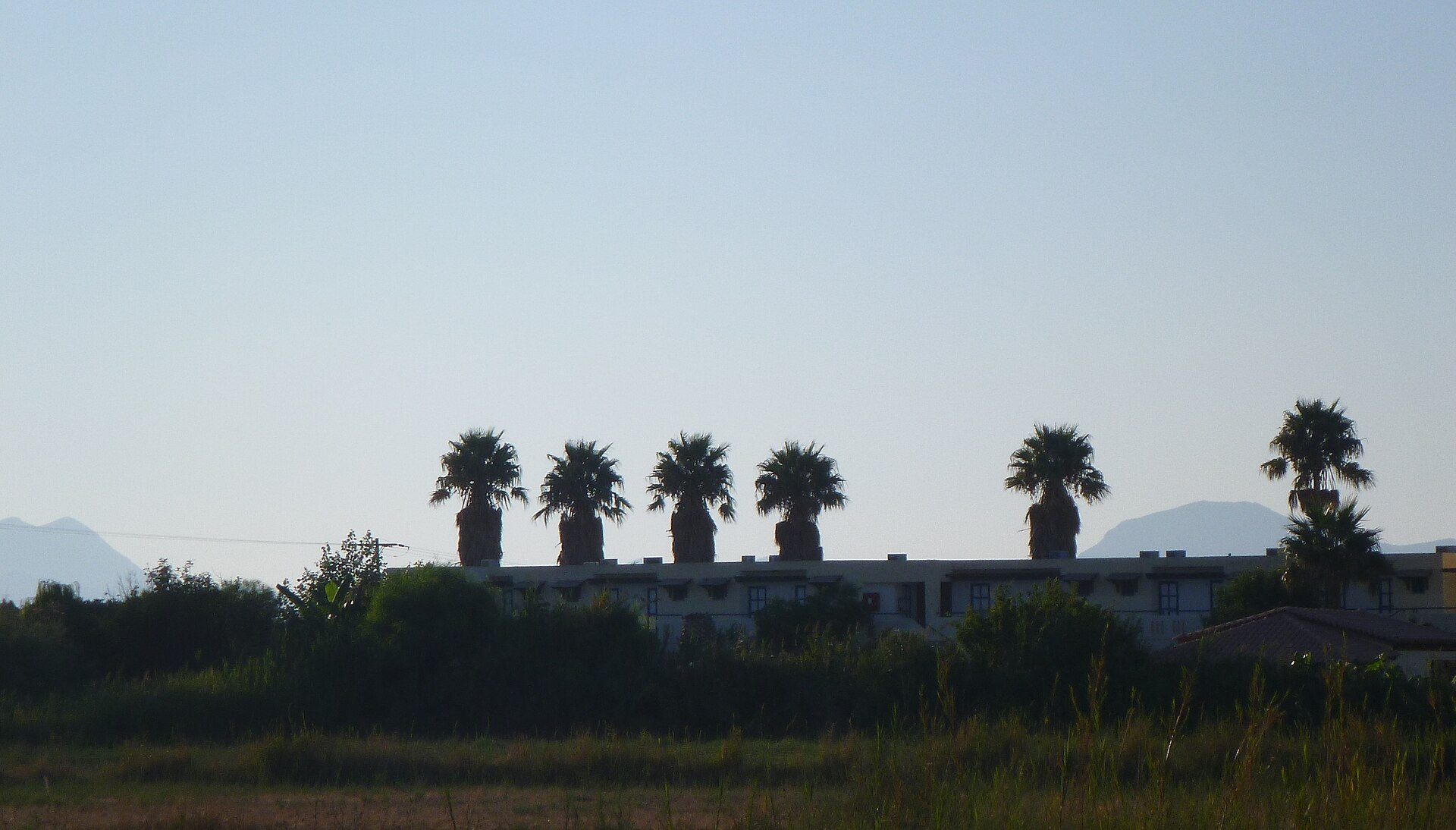
In the 1970s, where sun umbrellas, taverns and small residences now line up, there were mostly vegetable gardens, low vineyards an...
Updated 8 July 2026
This season · July · Summer
What to do in Tingaki now
The story
The story of Tingaki
A history written on the coastal plain
The history of Tingaki is inevitably intertwined with the broader story of the island of Kos, colonised as early as the Mycenaean period and later, in classical and Hellenistic times, one of the most prosperous city-states of the Dodecanese thanks to maritime trade and the fame of its medical school linked to Hippocrates. The plain where Tingaki now stands was agricultural land since antiquity, irrigated by the water table close to the coast and cultivated with cereals, vines and vegetables: a role it would keep for centuries, well beyond the eras of Roman, Byzantine, Knightly-order and Ottoman rule that followed one another on the island. While Kos Town accumulated fortifications, temples and palaces, the hinterland remained a land of farming labour, dotted with farmsteads and small rural settlements of which Tingaki was one of the most significant.
From Ottoman rule to the Italian twentieth century
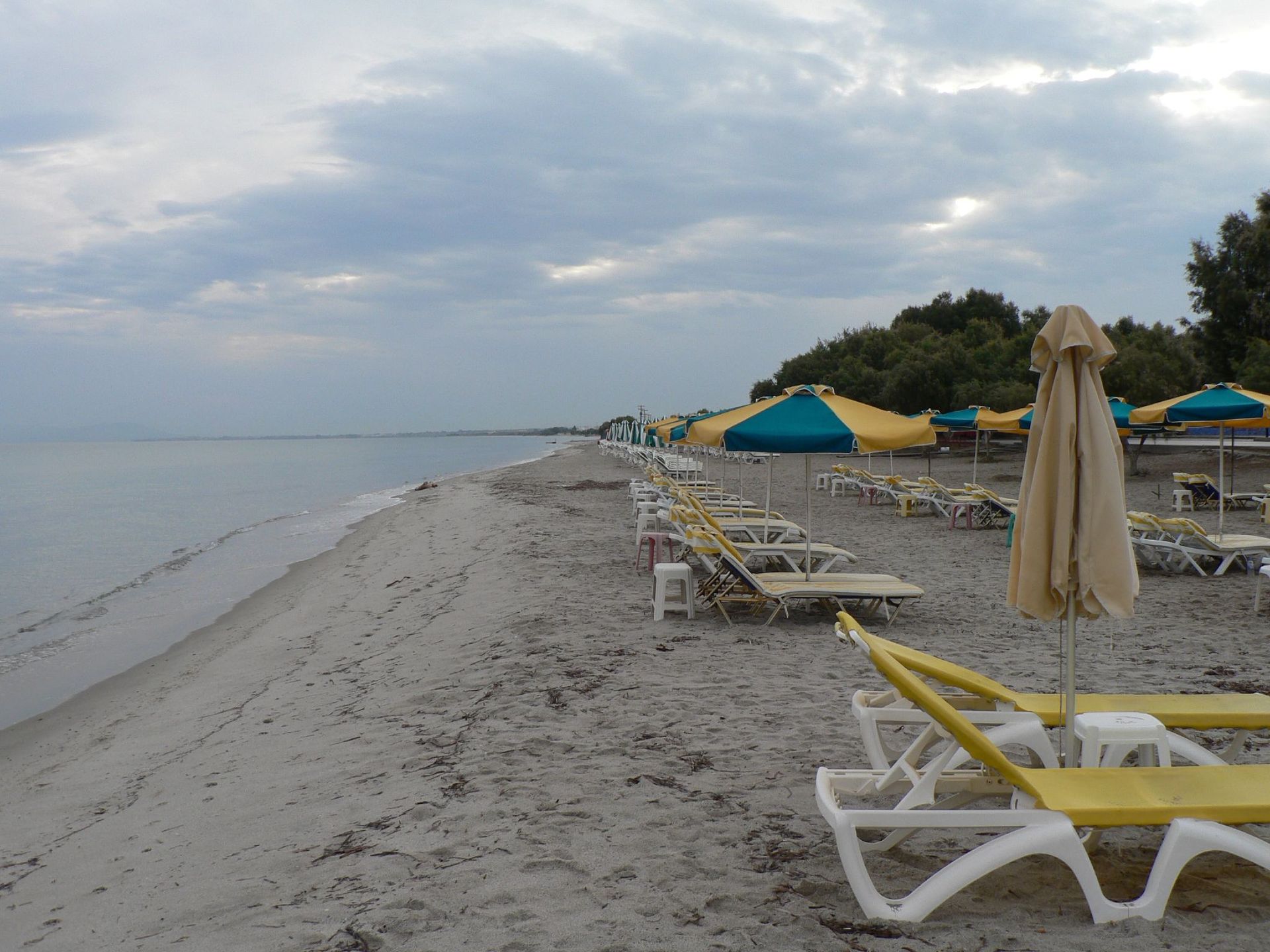
With the Ottoman conquest of 1523, Kos entered a long period of Turkish administration during which the island's Greek population continued to work the countryside around Tingaki, keeping language, religious rites and farming customs alive despite the taxes and constraints imposed by the central power. The twentieth century brought a radical change: from 1912 to 1943 the entire Dodecanese came under Italian administration, which invested mainly in Kos Town and Rhodes with public works, archaeological digs and new buildings, leaving rural hamlets like Tingaki essentially on the margins of that development. Only after annexation to Greece in 1948, and more concretely from the 1960s-70s onward, did the long sandy beach begin to attract the first tourists, setting off a transformation that over the last forty years has reshaped the village's face without entirely erasing its farming soul.
The beach of Tingaki
The stretch of coast that gives the village its name is one of the longest and most frequented beaches on Kos: golden sand mixed with stretches of fine gravel, gently sloping seabeds and clear waters protected by a slight inlet that makes it suitable even for families with children. The beach stretches for several kilometres westward, in almost uninterrupted continuity with that of Marmari, and is equipped with beach clubs, sun umbrellas, water sports and a row of taverns and beach bars facing directly onto the sand. The wind, almost constant in the afternoon due to the northern exposure, makes it a reference point for windsurfing and kitesurfing, while in the morning, before the breeze picks up, the sea is often flat and ideal for long swims.
The Alykes marsh and its salt pans
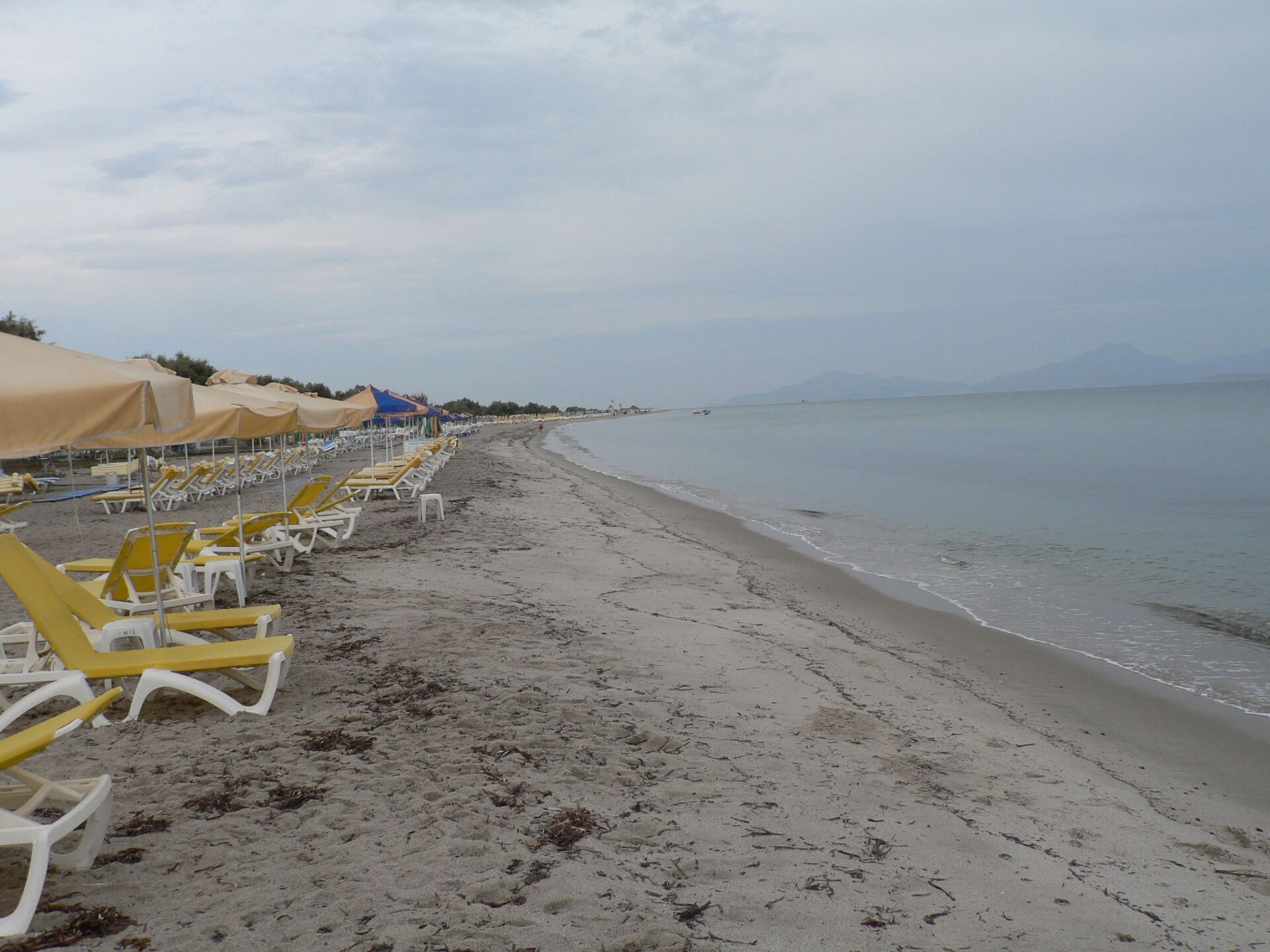
Just east of the village lies one of the most surprising corners of the Kos plain: Alykes, a former salt pan now reduced to a seasonal wetland, which in winter and spring fills with water, becoming a precious refuge for migratory birdlife. Herons, black-winged stilts, avocets and, in some seasons, flocks of pink flamingos rest among the reeds and the low banks that once served for salt extraction. It is a landscape quite different from the seaside one Tingaki owes its fame to: flat, silent, crossed by dirt paths that can be walked or cycled, perfect for an hour away from the sun lounger without leaving the village.
The windmills of the coast
Along the coastal road and near the salt pan, some of the stone windmills that for generations marked the agricultural landscape of this part of Kos can still be found, used to pump the water needed to irrigate the fields and, in some cases, for grinding grain. They are not monuments of great architectural ambition, but they remain a tangible fragment of Tingaki's rural identity before the arrival of tourism: white silhouettes against the sky, today largely stripped of their original sails, which tell better than many words how the coastal plain lived until just a few decades ago.
Kos Town and the Castle of the Knights
A handful of kilometres from Tingaki lies Kos Town, the island's main town and an essential stop for anyone staying in the area. Its symbol is the Castle of Neratzia, a fortress built from the 14th century by the Knights Hospitaller of St John to defend the harbour from Ottoman attacks: mighty walls, moats and bastions that today can be visited while walking among stone blocks reused from ancient buildings, some of which still bear Greek and Roman inscriptions. Right in front of the castle grows the famous Plane Tree of Hippocrates, a centuries-old tree whose legend links it to the father of medicine, and around it the historic centre unfolds with the ancient agora, the remains of the Hellenistic gymnasium and the Roman baths brought to light by early-twentieth-century Italian excavations.
The Asklepion, the sanctuary of Hippocrates
Just outside Kos Town, on a scenic hill overlooking the sea toward the Turkish coast, stands the Asklepion, the sanctuary dedicated to Asclepius which in antiquity also functioned as a centre for healing and medical teaching, linked to the tradition of the Hippocratic school. Arranged over three terraces connected by monumental stairways, it preserves Doric and Ionic columns, remains of temples and thermal areas that show how religious cult and medical practice were intertwined here in a single institution. The climb to the upper terrace offers one of the widest views on the island, with Kos Town spread out below and the outline of the Anatolian coast on the horizon: a visit that naturally rounds off a stay in Tingaki, just a short drive or bus ride away.
Zia and Mount Dikeos
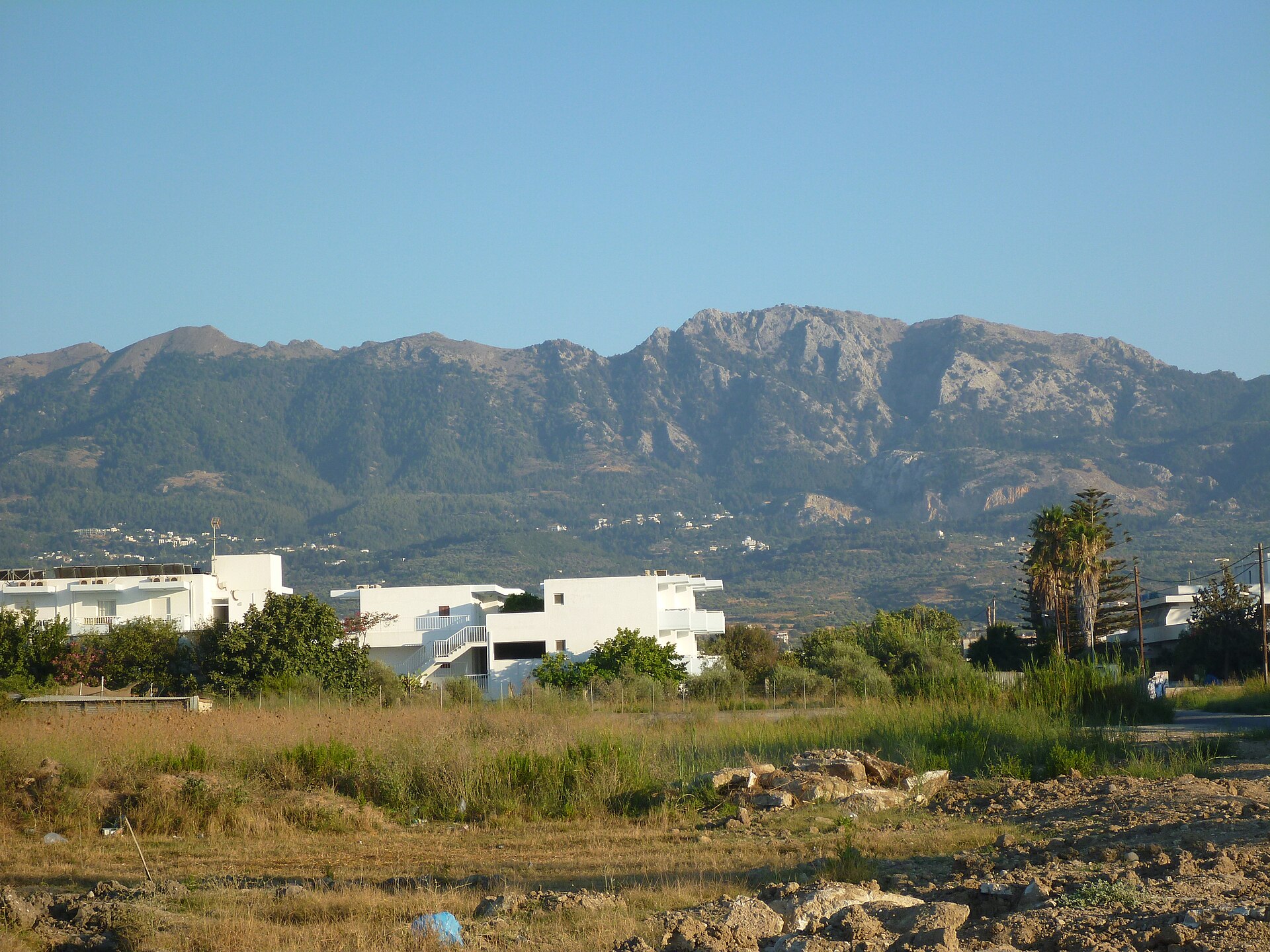
Anyone seeking a sharp contrast with the coastal plain can head inland up to Zia, a mountain village on the slopes of Mount Dikeos, the highest peak on Kos, famous throughout the island for the sunsets admired from its viewpoints and from the terraces of its restaurants overlooking the valley. The cobbled lanes, stone houses and small shops selling herbs, honey and local products give an image of Kos very different from the touristy one of the coast, closer to the rhythms and traditions of the inland villages. From Zia, hiking trails also set off toward the summit of Dikeos, suitable for those who want to get away from the coastal heat for a few hours.
Marmari and the nearby villages
West of Tingaki, the coast continues almost without a break as far as Marmari, another seaside village of the northern plain with an equally wide sandy beach and a slightly quieter atmosphere. Inland, on the other hand, small farming towns such as Pyli and Antimachia can be found, the latter known for its medieval castle and the island's airport, while continuing westward the coast grows wilder toward Kefalos, at the opposite end of Kos. Getting around between these villages is easy thanks to the local bus network and flat roads that also lend themselves well to cycling.
Flavours and traditions of the hinterland
The cuisine of Tingaki and its surroundings reflects the farming soul of the plain: vegetables grown in nearby gardens, cheeses such as the local kopanisti and island-produced feta, dense olive oil, light white wine from the vineyards of Kos served chilled in the simplest taverns. Fish, grilled or fried in the tradition of the seafood taverns, often comes from the boats returning to the small harbour or from the markets of Kos Town. Sweets based on honey and sesame are not lacking either, a legacy of an Aegean cuisine shared with neighbouring islands, to be tasted in the village's cafés together with a glass of souma, the local spirit similar to tsipouro.
Wind, sea and water sports
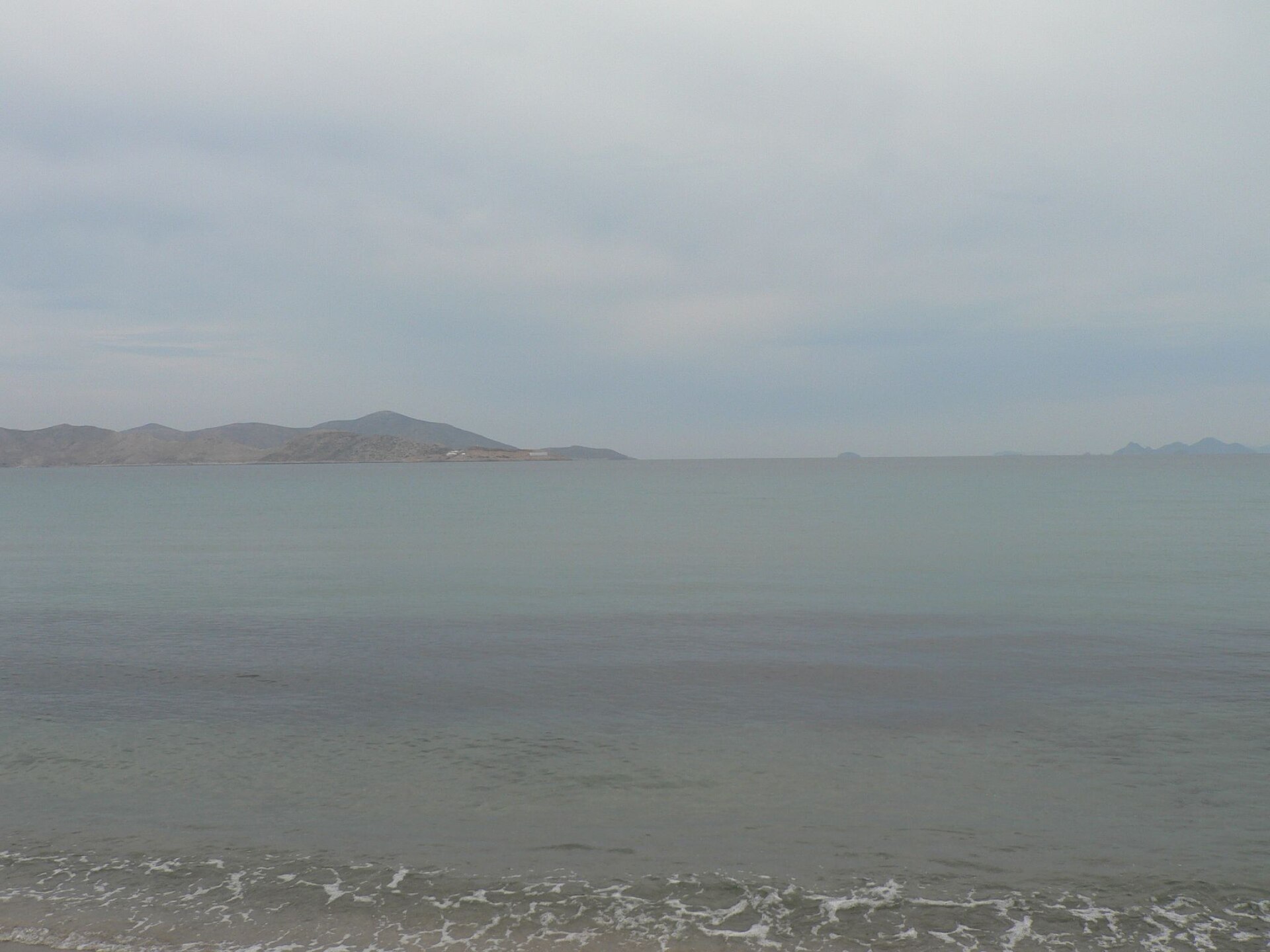
The northern exposure of the beach and the regularity of the afternoon breeze, the so-called meltemi that blows steadily during the summer months, have made Tingaki one of Kos's reference points for windsurfing and kitesurfing, with schools and rental centres active along the whole beach. Those who prefer a quieter pace can enjoy long walks along the shoreline, snorkelling in the rocky seabed stretches toward the edges of the bay, or boat trips to Kalymnos and Pserimos, nearby islands clearly visible from the coast on clear days. In the evening, the seafront comes alive with taverns, cocktail bars and small venues with live music, still keeping a more relaxed profile compared to the nightlife of Kos Town.
When to go
The bathing season in Tingaki is concentrated between May and October, with the peak in heat and tourist numbers in July and August, when the afternoon wind offers welcome relief but makes the sea less suitable for those seeking perfectly calm waters. May, June and September remain the most balanced months, with temperatures still high, fewer crowds and lower prices. In spring, the nearby Alykes marsh also offers the best bird-watching opportunities, while in winter the village empties out almost completely and returns to its rhythm as a farming hamlet, with most tourist facilities closed until the following spring.
- Long swim or walk on Tingaki beach early in the morning, before the wind picks up
- Windsurfing/kitesurfing lesson or session in the afternoon, when the meltemi is steadiest
- Nature walk among the reed beds of the Alykes marsh in search of herons and flamingos
- Visit to the Castle of the Knights and the Plane Tree of Hippocrates in Kos Town
- Climb up to the Asklepion for the view and the history of ancient medicine
- Fresh fish dinner at a seafront tavern at sunset
- Trip to Zia to admire the sunset from Mount Dikeos and taste local hinterland produce
- Boat trip to the islands of Kalymnos or Pserimos
FAQ
Come si raggiunge Tingaki dall'aeroporto di Kos?
Qual è il periodo migliore per visitare Tingaki?
Cosa vedere in Tingaki in un solo giorno?
Tingaki è adatta alle famiglie con bambini?
Ci si può muovere senza auto?
Dove parcheggiare a Tingaki?
Getting there
- Aeroporto Internazionale di Kos-Hippocrates (KGS), circa 20-25 km da Tingaki
- Nessun collegamento ferroviario sull'isola di Kos
- Da Kos Città seguire la strada costiera in direzione ovest per circa 10-12 km fino a Tingaki; il tragitto in auto richiede circa 15-20 minuti su strada pianeggiante e ben segnalata.
- Nei mesi estivi il traffico verso le spiagge della piana settentrionale aumenta nel tardo pomeriggio: conviene spostarsi la mattina presto o affittare una bicicletta, comoda per collegare Tingaki, la salina di Alykes e Marmari lungo percorsi pianeggianti.
Perfect for
Chilometri di sabbia dorata e fondali dolci rendono Tingaki una delle mete balneari più comode e rilassanti della costa nord di Kos.
Il vento pomeridiano costante fa di questa spiaggia una delle basi migliori dell'isola per windsurf e kitesurf, con scuole attive tutta l'estate.
La palude salmastra di Alykes, a due passi dal paese, offre un ecosistema di canneti e specchi d'acqua frequentato da aironi e fenicotteri migratori.
A pochi chilometri, Kos Città custodisce il Castello dei Cavalieri, l'agora antica e l'Asklepion, il santuario legato alla tradizione medica di Ippocrate.
I mulini a vento in pietra e i campi coltivati alle spalle del litorale raccontano l'identità agricola di Tingaki prima dell'arrivo del turismo.
To see