Ayios Nikitas
Picture a cluster of pastel-coloured houses sliding gently down towards a sea of almost unreal turquoise, sheltered behind hills c...
Updated 7 July 2026
This season · July · Summer
What to do in Ayios Nikitas now
The story
The story of Ayios Nikitas
A story carved by salt and wind
The story of Ayios Nikitas is closely tied to the history of Lefkada, the island the Greeks call 'the White One' for its imposing limestone cliffs. Although the village as we see it today largely developed over the last two centuries, the entire area lived through the dominations that shaped the Ionian Islands. From the Venetians, who left an indelible mark on local architecture and agriculture (introducing the olive tree on a massive scale), to the brief French and British occupations, up to the definitive union with Greece in 1864. Ayios Nikitas originally arose as a sea outlet for the inhabitants of the mountain villages of the hinterland, such as Drymonas and Exanthia, who found a safe harbour here for their boats. This 'functional' origin allowed the village to keep a compact, organic layout, where every building answered the needs of a life built around the sea and the land.
The heart of the village: the pedestrian street and Ionian architecture
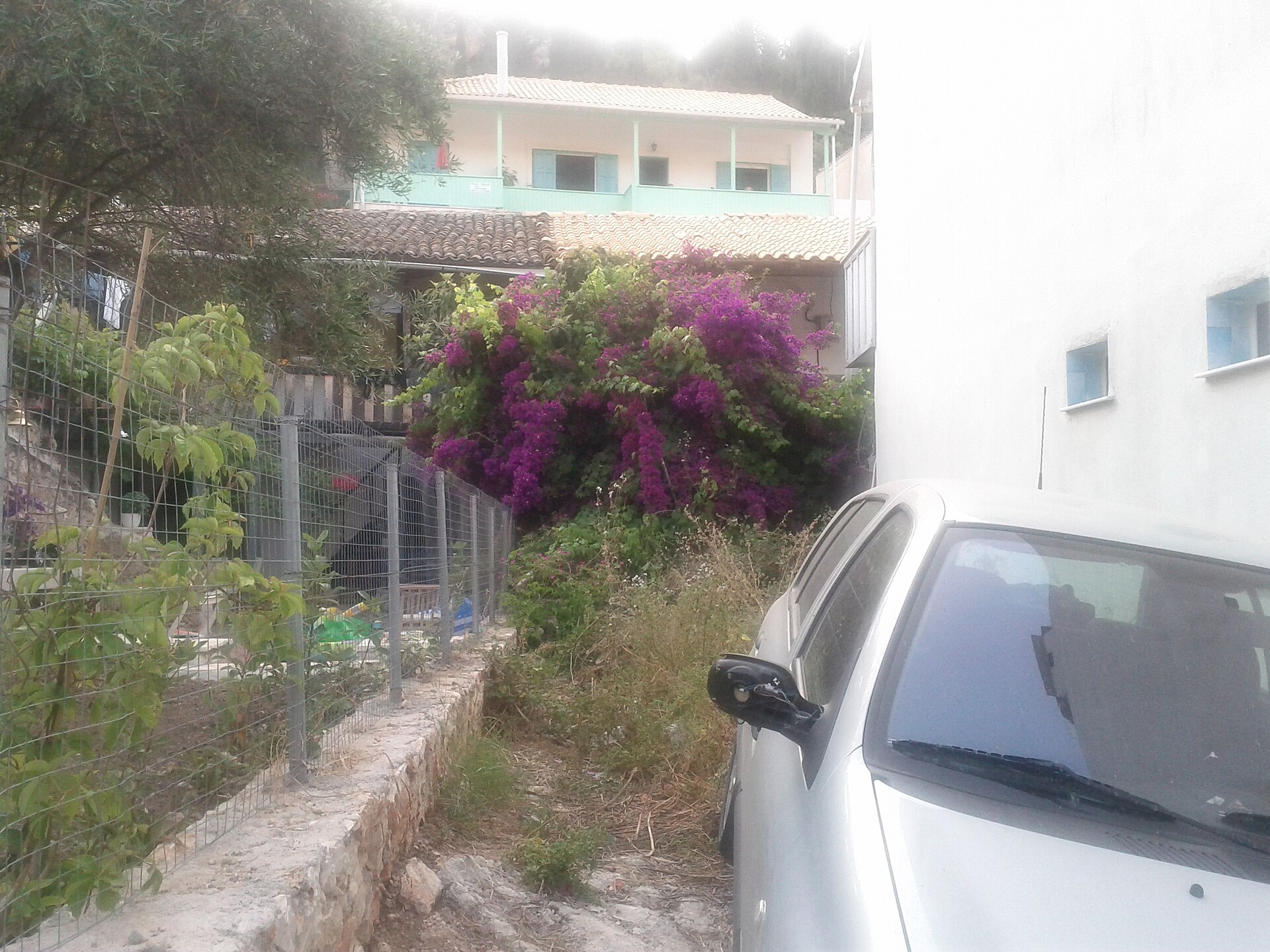
The true monument of Ayios Nikitas is its urban fabric. The main street, which cuts through the village all the way down to the town beach, is a remarkable example of conservation. The buildings retain the traditional style of the Ionian Islands, marked by the skilful use of local stone and wood, materials historically chosen for their flexibility in a highly seismic area. The houses, often huddled close together, are painted in soft tones ranging from ochre to dusty pink, with sky-blue shutters echoing the colour of the heavens. Strolling here means taking in the details of the façades, the bougainvillea pots bursting into purple bloom, and the small artisan shops selling thyme honey and local textiles, testimony to an economy that has never forgotten its rural roots.
The Church of Ayios Nikitas
Set slightly above the main street, the small church dedicated to the saint that gives the village its name is the spiritual centre of the community. Built according to the canons of Orthodox simplicity, the structure features a typical sail-shaped bell tower found in local tradition. The interior, intimate and hushed, houses finely crafted wooden icons and an atmosphere of absolute peace. The church is not just a place of worship, but a landmark of identity: every year, on 15 September, the village comes alive to celebrate its patron saint with ceremonies blending faith and popular conviviality, offering visitors an authentic glimpse of Lefkadian community life, far from the more crowded tourist circuits.
Milos Beach: wild enchantment
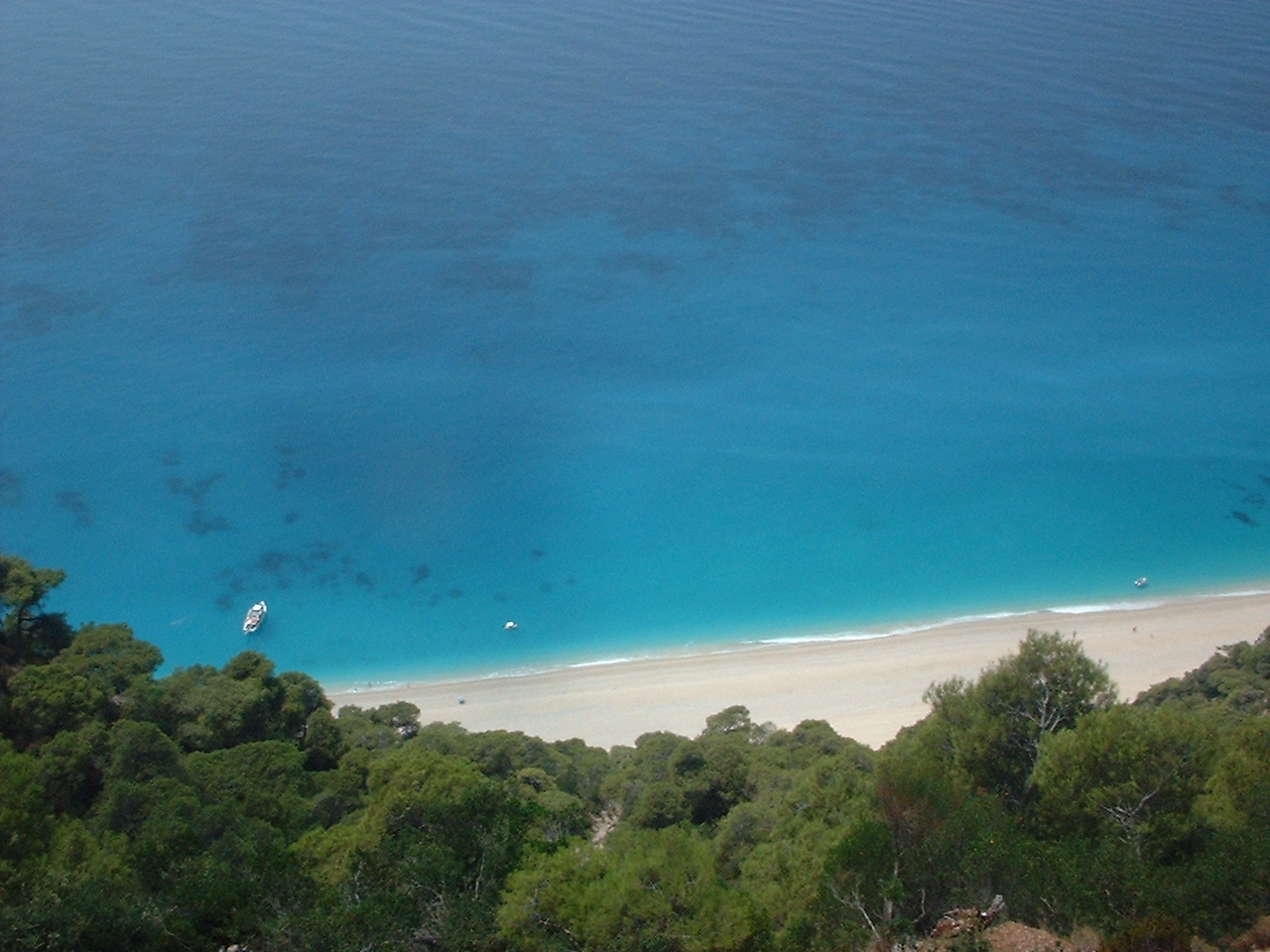
Just beyond the hill that shelters the village to the south, the spectacle of Milos Beach unfolds. It's not merely a beach, but a sensory experience. It can be reached via a scenic path offering vertiginous views over the sea, or, more conveniently, by small boats that shuttle from the village jetty. Milos takes its name from the remains of an old windmill overlooking the headland. Once you arrive, you find yourself facing an arc of pale sand and white pebbles, lapped by waters of such intense electric blue that they seem almost artificial. The total absence of beach clubs and permanent structures preserves that sense of isolation and natural majesty that makes Lefkada's western coast unique in the Mediterranean.
Kathisma: infinite blue at the foot of the cliffs
A few kilometres south of Ayios Nikitas lies Kathisma, one of the most iconic beaches in all of Greece. Here the landscape becomes monumental: a long stretch of extremely fine sand is overshadowed by tall rock walls that seem to plunge into the water. Kathisma represents the more cosmopolitan side of the area, with elegant beach clubs alternating with long stretches of free beach. It's the ideal spot for water sports lovers, particularly paragliding, which lets you admire from above the contrast between the blinding white of the coast and the cobalt shades of the sea. At sunset, Kathisma turns into a natural stage where the sun vanishes straight into the water, tinting the sky in fiery hues.
Pefkoulia: where the forest meets the sea
Just north of the village, Pefkoulia beach offers a radically different scene. Its very name comes from the 'pefka' (pine trees) that reach down to the shoreline, providing precious natural shade during the hottest hours. It's a vast beach, where space is never lacking, marked by crystal-clear waters and a restorative tranquillity. The northern stretch of Pefkoulia, wilder and more jagged, is often chosen by those seeking an even closer contact with nature. The combination of the pine grove's intense green and the sea's blue creates a unique microclimate, where the air smells of salt spray and pine needles, offering a deep sense of peace.
Excursions into the hinterland: Drymonas and Exanthia
To fully grasp the soul of Ayios Nikitas, one must lift one's gaze towards the mountains. The villages of Drymonas and Exanthia, just a few minutes away by car, represent the other face of Lefkada. Here life still follows agricultural rhythms, among terraced vineyards and olive groves that defy the steep slopes. Exanthia, in particular, has become famous for its position 'suspended' among the clouds, offering taverns with panoramic terraces from which you can enjoy a 180-degree view over the Ionian Sea. Exploring these villages means discovering a rural architecture that is humbler yet dignified, made of dry-stone walls and small squares where the elderly still gather for their afternoon coffee, keepers of a historical memory that coastal tourism sometimes risks overshadowing.
Nature and landscape: the force of the elements
The landscape around Ayios Nikitas is shaped by the dynamic geology of the western coast. The limestone cliffs, subject to slow but constant erosion, release fine white sediments which, suspended in the water, create that particular 'fluorescent' effect of the sea, unique throughout the Aegean. The vegetation is typical Mediterranean maquis, but enriched by an unusual lushness for the Greek islands, thanks to winter rainfall more abundant than in the Cyclades. Trekking enthusiasts will find trails winding among broom, holm oaks and other oaks, offering sudden glimpses of blue that take your breath away. It is a fragile and precious ecosystem, where the eleonora's falcon soars high above the peaks and floral biodiversity delivers spectacular blooms in spring.
Flavours and traditions: the Lefkadian table
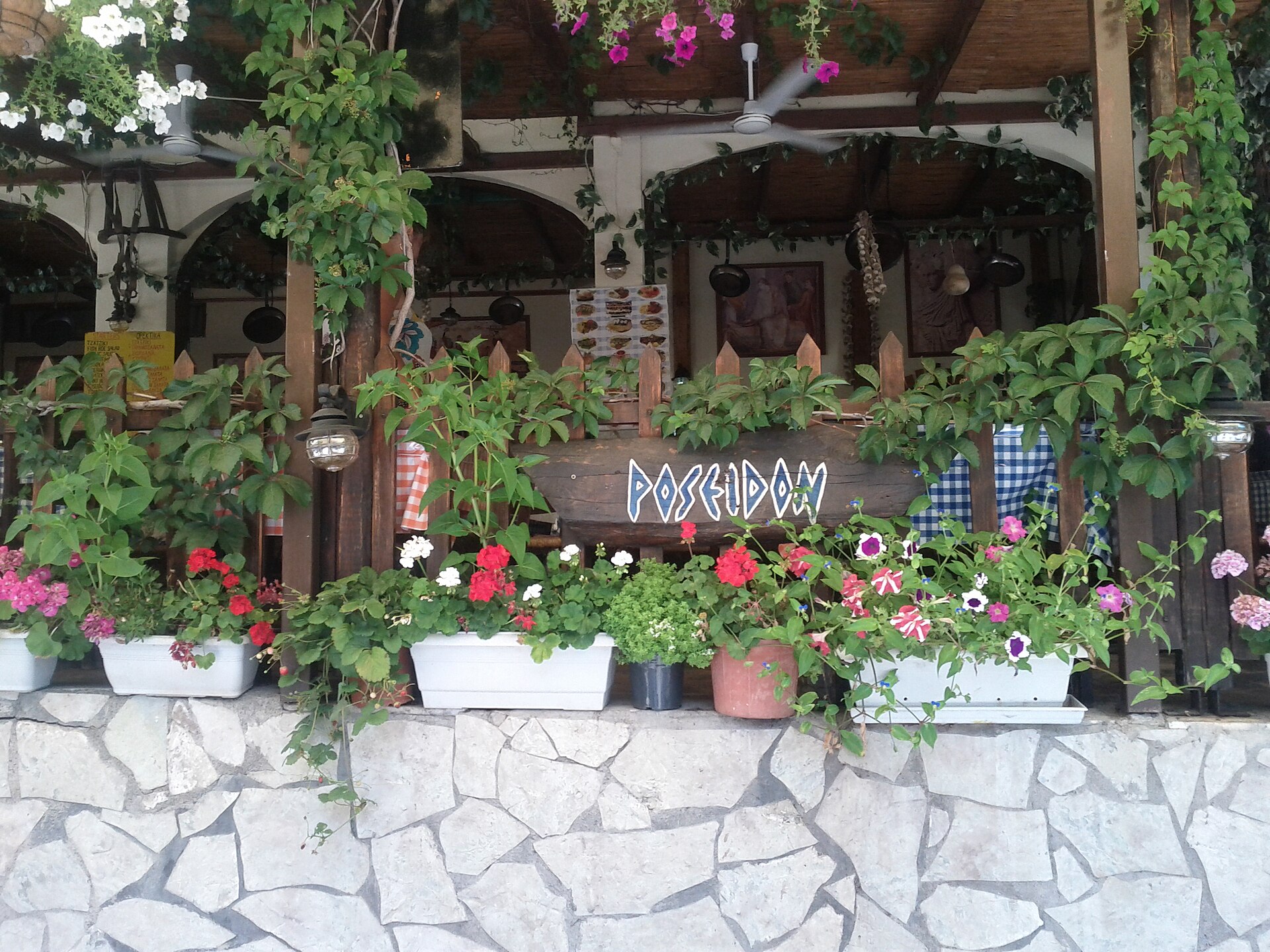
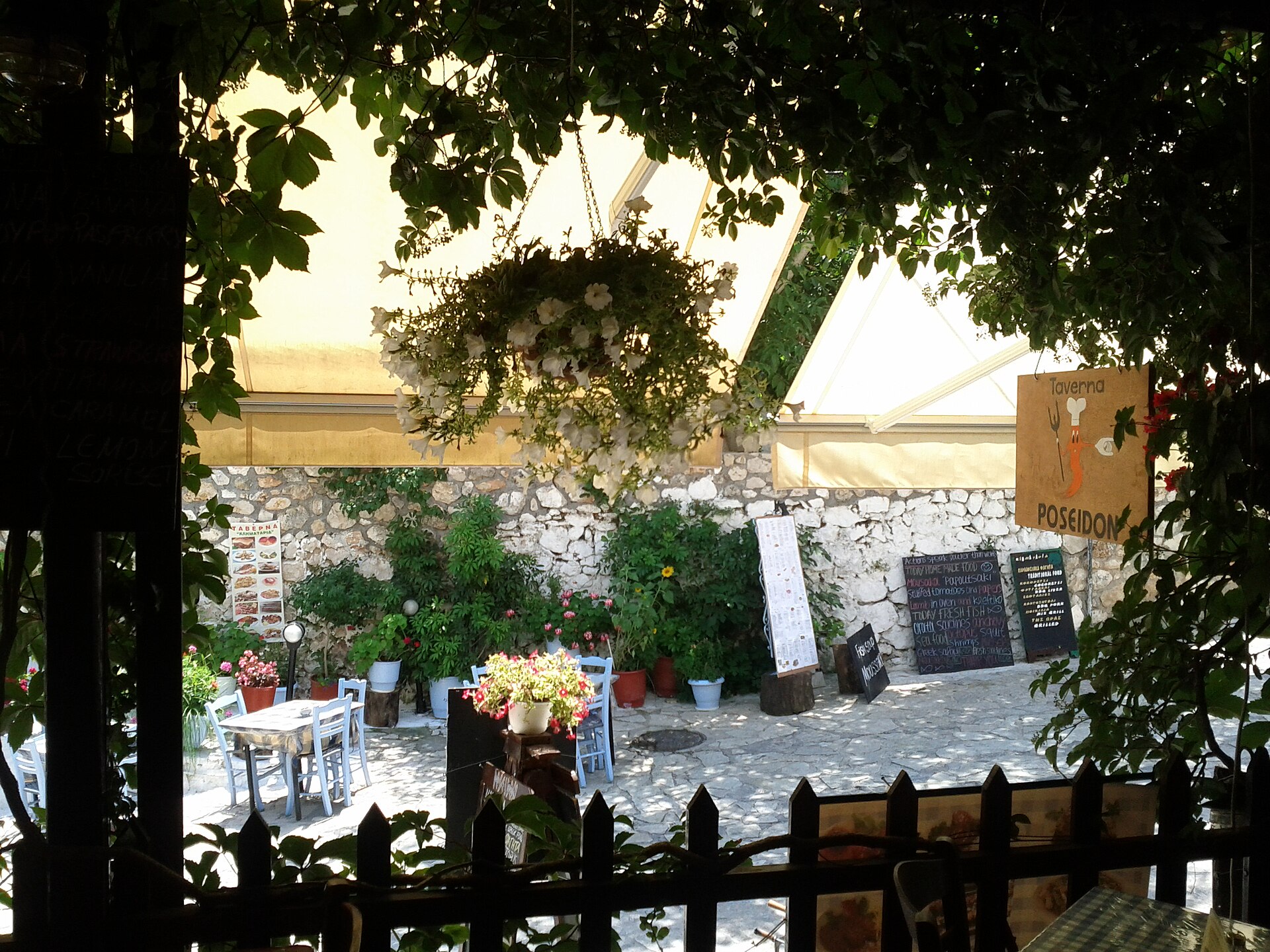
The gastronomy of Ayios Nikitas is a happy union of sea and mountain. In the taverns along the main street, tasting the fresh fish, often caught overnight, is a must, but the dishes from the land shouldn't be overlooked. 'Savoro', fried fish marinated with vinegar, rosemary and raisins, is a much-loved Venetian legacy. From the hinterland come the lentils of Eglouvi, considered among the finest in Greece, and thyme honey from the surrounding hills. Local wines are not lacking either, such as the red Vertzami, deep in colour and full-bodied, perfect for pairing with grilled meats. Ending a meal with a slice of 'Ladopita', a traditional dessert made with olive oil and semolina, is the best way to honour a culinary culture that celebrates simplicity and the quality of its ingredients.
Experiences not to be missed
- Walking the scenic path from the village to Milos beach early in the morning.
- Enjoying an aperitif in Exanthia while watching the sunset set the Ionian horizon ablaze.
- Renting a small motorboat to explore the coves accessible only by sea, north of the village.
- Dining in one of the taverns on the town beach, listening to the sound of the waves.
- Visiting the Faneromeni monastery, a few kilometres away, for a breathtaking view over Lefkada's lagoon.
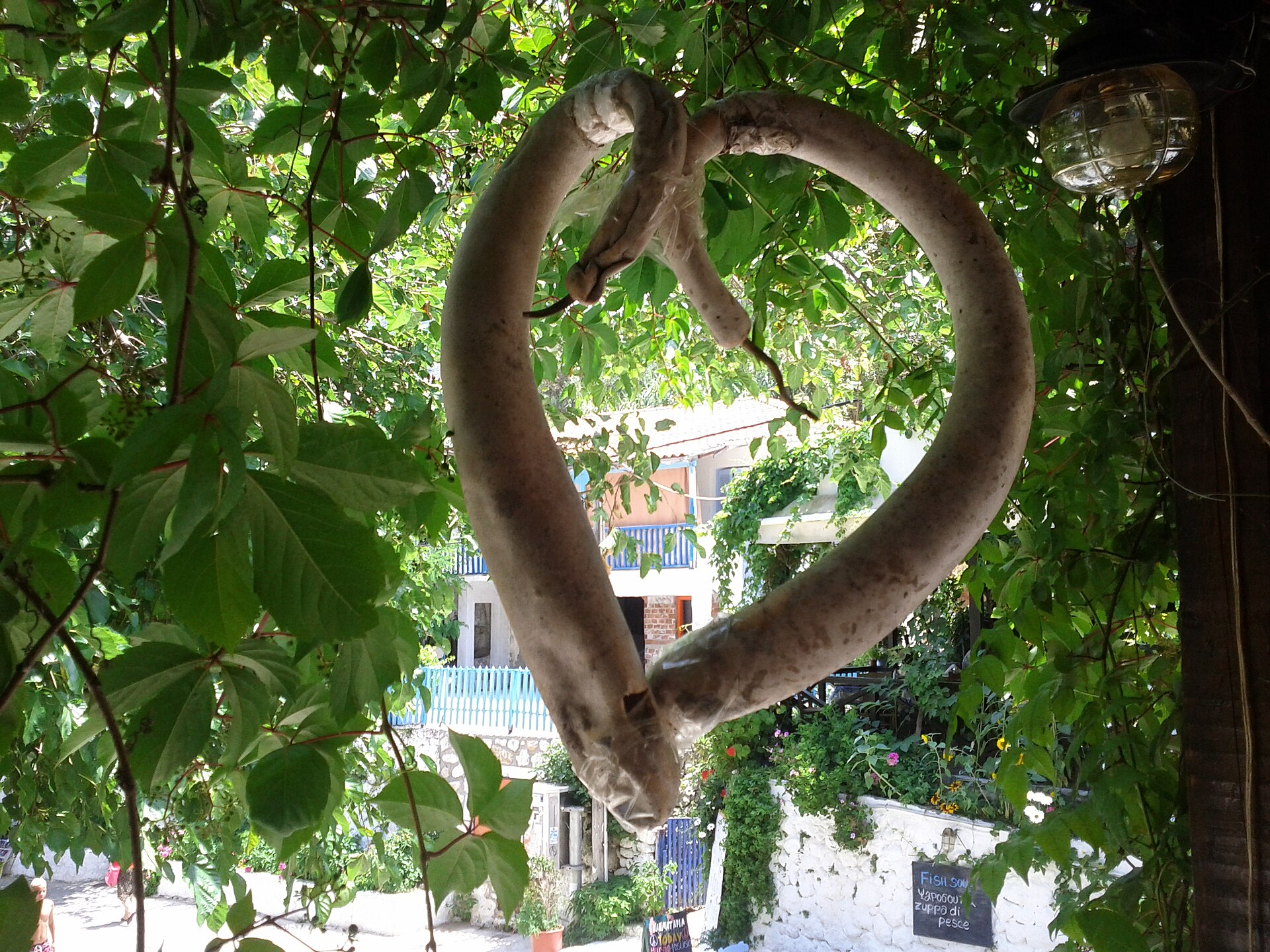
- Tasting Lefkada's local salami, the pride of a centuries-old cured-meat tradition.
When to go and how to experience the place
Ayios Nikitas changes face depending on the season. Late spring (May and June) is probably the magic moment: nature is in full bloom, the beaches are still quiet, and temperatures allow for long walks. September offers warm waters and a golden light that turns every photograph into a painting, with the added bonus of fewer tourists. July and August are the liveliest months, ideal for those seeking a social atmosphere, but they require a more flexible spirit to deal with parking (limited outside the village) and the crowds. To experience the village like a local, the advice is to wake up early for a Greek coffee at the jetty and spend the middle hours of the day in the shade of the Pefkoulia pine grove, leaving the exploration of the village for the evening hours, when the sea breeze cools the air.
FAQ
È facile trovare parcheggio ad Ayios Nikitas?
La spiaggia di Milos è adatta ai bambini?
Quanto tempo occorre per visitare il villaggio?
Ci sono bancomat e servizi essenziali?
Getting there
- Aeroporto di Aktion (Preveza) - 33 km
- Non presenti sull'isola; Lefkada è collegata via terra da bus KTEL da Atene o Patrasso.
- Da Lefkada città, seguire le indicazioni per la costa occidentale e Ayios Nikitas (circa 12 km).
- Noleggiare uno scooter è spesso la scelta migliore per muoversi agilmente tra le spiagge e superare il problema del parcheggio.
Perfect for
Un paradiso per gli amanti delle acque turchesi e delle spiagge selvagge circondate da scogliere bianche.
L'atmosfera pedonale e raccolta del borgo invita a ritmi lenti e serate rilassate in riva allo Ionio.
Ogni angolo del villaggio e i belvedere sulle spiagge circostanti offrono scorci altamente scenografici.
To see