Frini
Arriving in Frini, you get the sense that time slows down, making room for the deep breath of the Ionian Sea
Updated 7 July 2026
This season · July · Summer
What to do in Frini now
The story
The story of Frini
Historical roots between myth and devotion
The history of Frini is inseparably linked to that of the entire island of Lefkada, but with a nuance of sacredness that makes it unique. The origins of the village are lost in the Byzantine period, although the area had been frequented since antiquity due to its proximity to the town of Nirikos, the ancient capital. Over the centuries, Frini has seen Venetians, French and British pass through, each leaving a mark on the rural architecture and the layout of the surrounding farmland. However, the event that has deeply shaped local identity is linked to Christian tradition: it is said that it was here, on the site of an ancient temple dedicated to Artemis, that the apostles of Saint Paul first preached the Gospel, planting the seeds of what would become the island's most important spiritual community.
The Monastery of Faneromeni: the spiritual heart
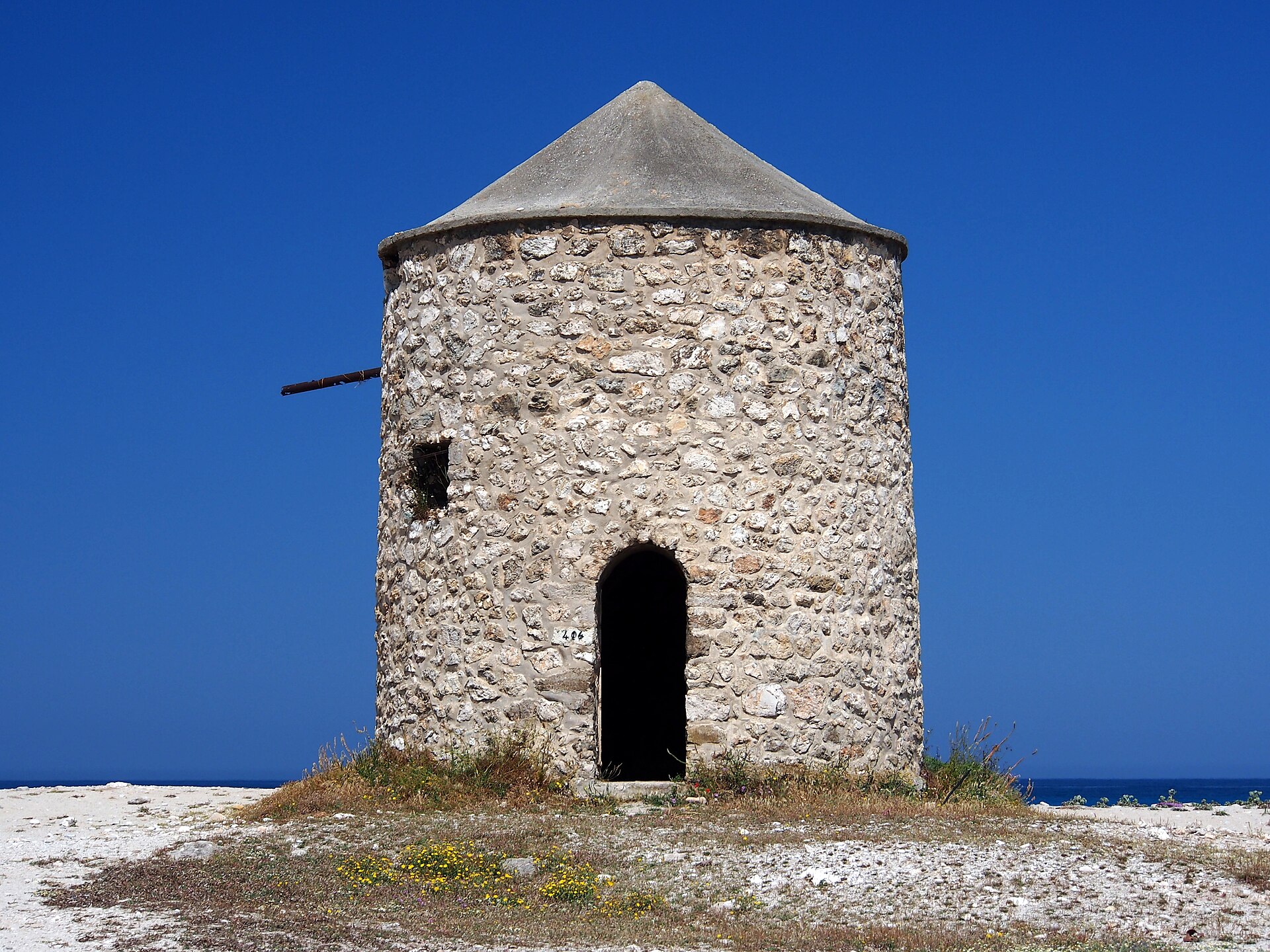
The Monastery of Panagia Faneromeni, located just above the village of Frini, is the religious landmark for all Lefkadians. Originally founded in 1634 on an ancient sacred site, the current complex is the result of nineteenth-century reconstructions made necessary by devastating fires. The name 'Faneromeni' means 'She who has revealed herself', referring to the icon of the Virgin which, according to legend, appeared miraculously painted. In addition to the splendid main church, the monastery hosts a well-kept garden that includes a sort of small zoo, much loved by families, and offers a breathtaking view over the Gyra lagoon and the coasts of Epirus. It is a place of silence and contemplation, where post-Byzantine architecture blends harmoniously with lush vegetation.
The Ecclesiastical Museum and the island's memory
Within the grounds of the Faneromeni monastery lies a precious Ecclesiastical Museum well worth a thorough visit. This institution holds an extraordinary collection of artefacts that tell the religious history of Lefkada: from finely crafted Byzantine and post-Byzantine icons to rare manuscripts, and gold-embroidered liturgical vestments. The museum is not merely a display of art objects, but a testimony to the island's cultural resistance during centuries of occupation. Particularly interesting are the works of artists from the so-called 'Ionian School', which show the influence of the Italian Renaissance reinterpreted according to Orthodox canons, creating a unique style that characterises the entire region.
Agios Ioannis beach and the windmills
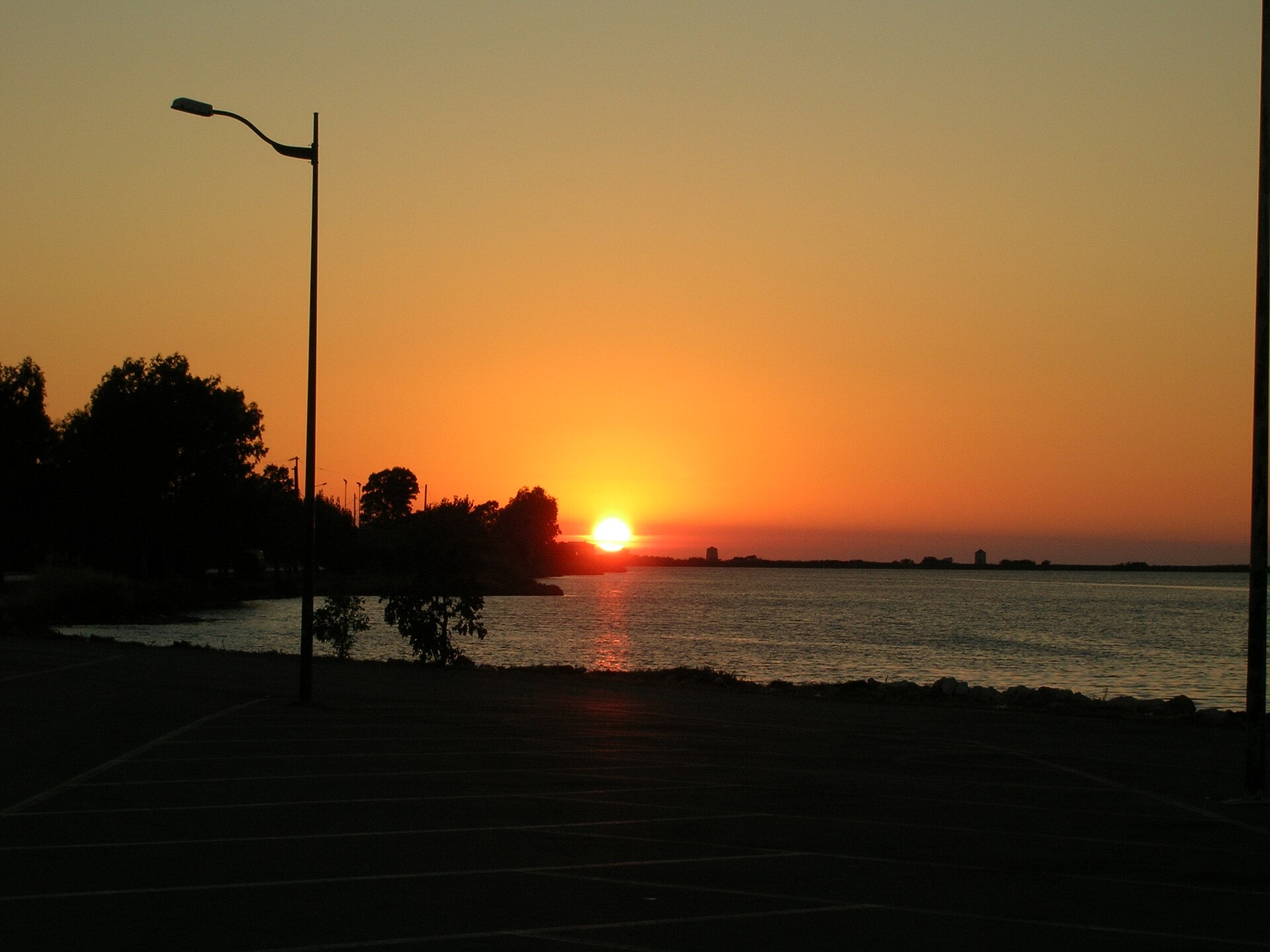
At the foot of the Frini hill lies the magnificent Agios Ioannis beach, a long stretch of white pebbles and turquoise waters that fade into the horizon. What makes this place iconic are the remains of ancient windmills, stone structures that once ground grain harnessing the area's strong thermal winds. Today, those same winds – the famous 'Meltemi' – have turned the beach into one of the world's paradises for kitesurfing and windsurfing. Watching the colourful sails race past the solitary windmills creates a fascinating contrast between the industrial archaeology of the past and the sporting vitality of the present. The area is ideal for long sunset walks, when the golden light envelops the historic structures.
The village of Frini: architecture and daily life
Strolling through the streets of Frini reveals the most authentic soul of Lefkada, far from the major tourist flows. The village preserves traditional stone houses with red-tiled roofs and small courtyards full of bougainvillea and pots of basil. The architecture reflects the historical need for protection and adaptation to the steep terrain. It is not unusual to meet elderly locals sitting outside their doors, ready to exchange a greeting or a smile. Here life moves slowly, marked by the rhythms of agriculture and religious festivities. The small local taverns offer a convivial atmosphere where you can enjoy dishes prepared with zero-kilometre ingredients, grown in the gardens surrounding the village.
The Gyra Lagoon and the natural ecosystem
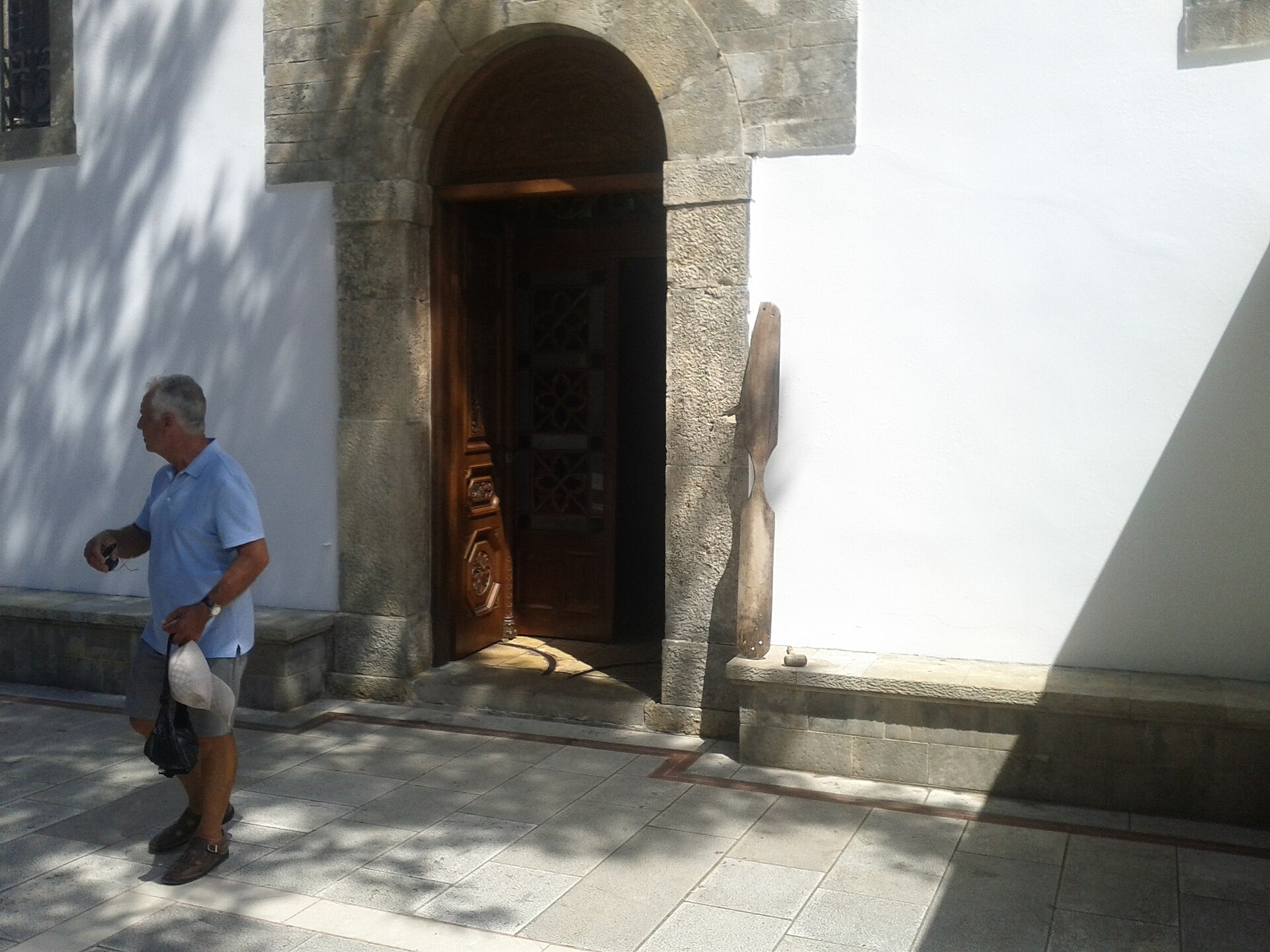
From above Frini, the eye inevitably falls on the Gyra lagoon, an ecosystem of extraordinary natural value that separates the island from the mainland. This wetland is protected and hosts numerous species of migratory birds, including herons and, at certain times of year, pink flamingos. The lagoon is surrounded by a circular road perfectly suited for cycling or walking excursions. This horizontal landscape, made up of reed beds, shallow water mirrors and sandbanks, creates a sharp contrast with the steep mountains of the island's interior. It is a magical place, especially in the early morning hours, when a thin mist rises from the water creating a suspended, almost dreamlike atmosphere.
Flavours and traditions: the local cuisine
Frini's gastronomic culture is a hymn to simplicity and the quality of Ionian ingredients. The olive oil produced on the surrounding hills is dense and fragrant, a fundamental base for every dish. Among the specialities not to be missed are the lentils of Eglouvi, considered among the best in Greece, often served as a thick soup. Lefkada salami, with its distinctive aroma of black pepper and garlic, is a legacy of Venetian rule. For those with a sweet tooth, pasteli (sesame and honey brittle) and mandolato are delicacies that tell of centuries of trade exchanges. Pairing the meal with a glass of Vertzami red wine, a local grape variety with an intense colour and robust body, completes the sensory experience.
Not-to-be-missed experiences in Frini
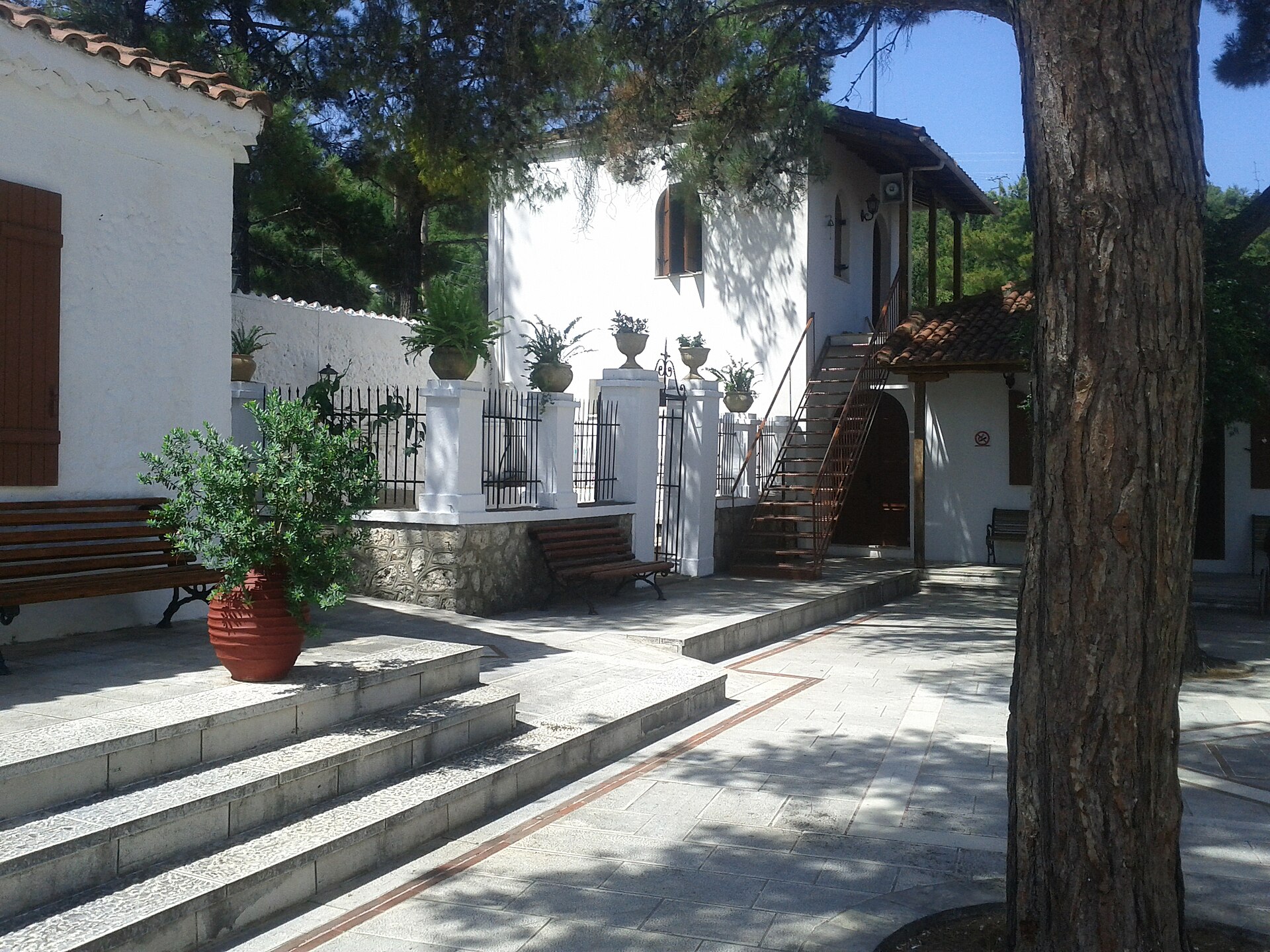
- Attending the Feast of the Monday of the Holy Spirit, when the Faneromeni monastery becomes the centre of a grand celebration involving the whole island.
- Taking a hike from the village of Frini down to Agios Ioannis beach, crossing the centuries-old olive groves.
- Visiting the Maritime Museum located near the monastery, which displays ship models and historic navigation instruments.
- Enjoying an aperitif at one of Frini's panoramic cafés as the sun disappears behind the horizon of the Ionian Sea.
- Birdwatching along the shores of the Gyra lagoon to spot rare species of birdlife.
When to go and how to experience the place
The best time to visit Frini depends on the type of experience you are looking for. Spring (May and June) is ideal for nature lovers: the hills are in bloom, the climate is mild, and the monastery is immersed in absolute peace. Summer, particularly July and August, transforms the area below into a lively hub for water sports, with Agios Ioannis beach filling up with kitesurfing enthusiasts. September offers a perfect balance, with still-warm waters and fewer crowds. To fully experience Frini, it is best to get around on foot between the village and the monastery, leaving the car in the designated parking areas, so as to catch every architectural detail and every scent of the Mediterranean scrub that characterises this corner of Lefkada.
FAQ
È possibile visitare il Monastero di Faneromeni in ogni momento?
Frini è adatta alle famiglie con bambini?
Quanto tempo occorre per visitare il borgo e il monastero?
C'è parcheggio vicino al monastero?
Getting there
- Aeroporto di Aktion (Preveza) - circa 25 km
- Non presenti sull'isola; Lefkada è collegata alla terraferma da un ponte mobile.
- Da Lefkada Town seguire le indicazioni per il Monastero di Faneromeni; il borgo di Frini si trova lungo la strada in salita, a soli 2 km dal centro città.
- Se arrivate in auto dalla terraferma, non dovrete prendere traghetti: Lefkada è l'unica isola greca raggiungibile direttamente tramite un ponte stradale.
Perfect for
Il monastero di Faneromeni è la meta di pellegrinaggio più importante dell'isola, un luogo di pace profonda e arte sacra.
La vicina spiaggia di Agios Ioannis è un tempio per i kiters grazie ai venti costanti che soffiano ogni pomeriggio.
Frini offre uno dei punti di osservazione più belli di tutta Lefkada, con viste che spaziano dalla laguna alle montagne dell'Epiro.
To see