Kariotes
Along the eastern coast of the island of Lefkada, where the sea calms into an almost motionless mirror of water and the greenery o...
Updated 7 July 2026
The story
The story of Kariotes
Historical roots: between ancient Nirikos and Venetian rule
The history of Kariotes is deeply linked to that of ancient Nirikos, the first capital of Lefkada, whose ruins lie a short distance from the modern village. Founded by the Corinthians in the 7th century BC, Nirikos was a center of major strategic and commercial importance in the Ionian Sea. Over the centuries, as one ruling power succeeded another, the island's center of gravity shifted, but the Kariotes area retained its relevance thanks to the shape of the land, ideal for salt extraction. During the period of Venetian rule, the local salt pans were expanded and became a fundamental economic resource for the Serenissima, which saw Lefkada as a crucial outpost for maritime trade. This historical legacy is still visible in the organization of the land and in the rural architecture that characterizes the area, bearing witness to a past of hard labor and intense cultural exchange between the Greek East and the Latin West.
The Alexandros Salt Pans: a monument of industrial archaeology
The most emblematic site in Kariotes is undoubtedly the ancient Alexandros Salt Pans. Located right in front of the village, these salt pans remained operational until the mid-20th century, long serving as the main source of livelihood for the local population. Today, the area presents itself as a fascinating open-air complex of industrial archaeology, where visitors can admire the remains of the evaporation pools and the stone warehouses where the salt was stored before being shipped out. What makes this place special is the harmony between human work and nature: the salt pans have become a precious habitat for numerous species of migratory birds, including herons and flamingos, which choose these shallow waters to rest. Walking along the paths that skirt the pools at sunset offers a unique perspective on the island's productive history, wrapped in a silence broken only by the calls of wildlife.
Ancient Nirikos: on the trail of the lost capital
A short walk from Kariotes lies the archaeological site of Nirikos, a place every history enthusiast should visit to understand the origins of Lefkada. The imposing cyclopean walls that once encircled the city are still partly visible and testify to the grandeur of this ancient settlement. Nirikos was not just an administrative center, but a thriving port that controlled the maritime passages between the north and south of the Ionian Sea. Excavations have unearthed the remains of dwellings, cemeteries, and infrastructure that tell of a daily life shaped by the rhythms of the sea and trade. Visiting Nirikos today means taking a journey back in time, walking among ancient stones that have witnessed civilizations rise and fall, all surrounded by lush vegetation that seems to want to protect these secrets of the past.
Not-to-miss experiences in Kariotes
- Explore the Alexandros Salt Pans on foot during the golden hour for spectacular photographs.
- Visit the remains of the cyclopean walls of ancient Nirikos for a plunge into the Corinthian era.
- Follow the hillside trails behind the village among centuries-old olive groves and dry-stone walls.
- Enjoy a dinner of the freshest fish at the small seafront restaurants in nearby Ligia.
- Rent a small boat to explore the secluded coves of the eastern coast.
- Take part in local religious celebrations to experience the authentic spirit of the Greek community.
The coastal landscape and beaches
The coastline of Kariotes differs considerably from the spectacular, wild cliffs of Lefkada's western side. Here the landscape is gentler, characterized by small bays of white pebbles and crystal-clear waters that shelve gradually, making them perfect for swimming and for those traveling with children. The sea, sheltered from the prevailing winds thanks to the proximity of the Greek mainland, is almost always calm, taking on shades that range from turquoise to deep blue. The vegetation, made up mainly of pines and olive trees, often comes within a few meters of the water, offering natural shaded areas to rest during the hottest hours. It is a coastline that invites contemplation and relaxation, far from mass tourism, where the rhythm of the days is marked by the slow movement of fishing boats returning to port.
Surroundings and nearby towns: Ligia and Lefkada Town
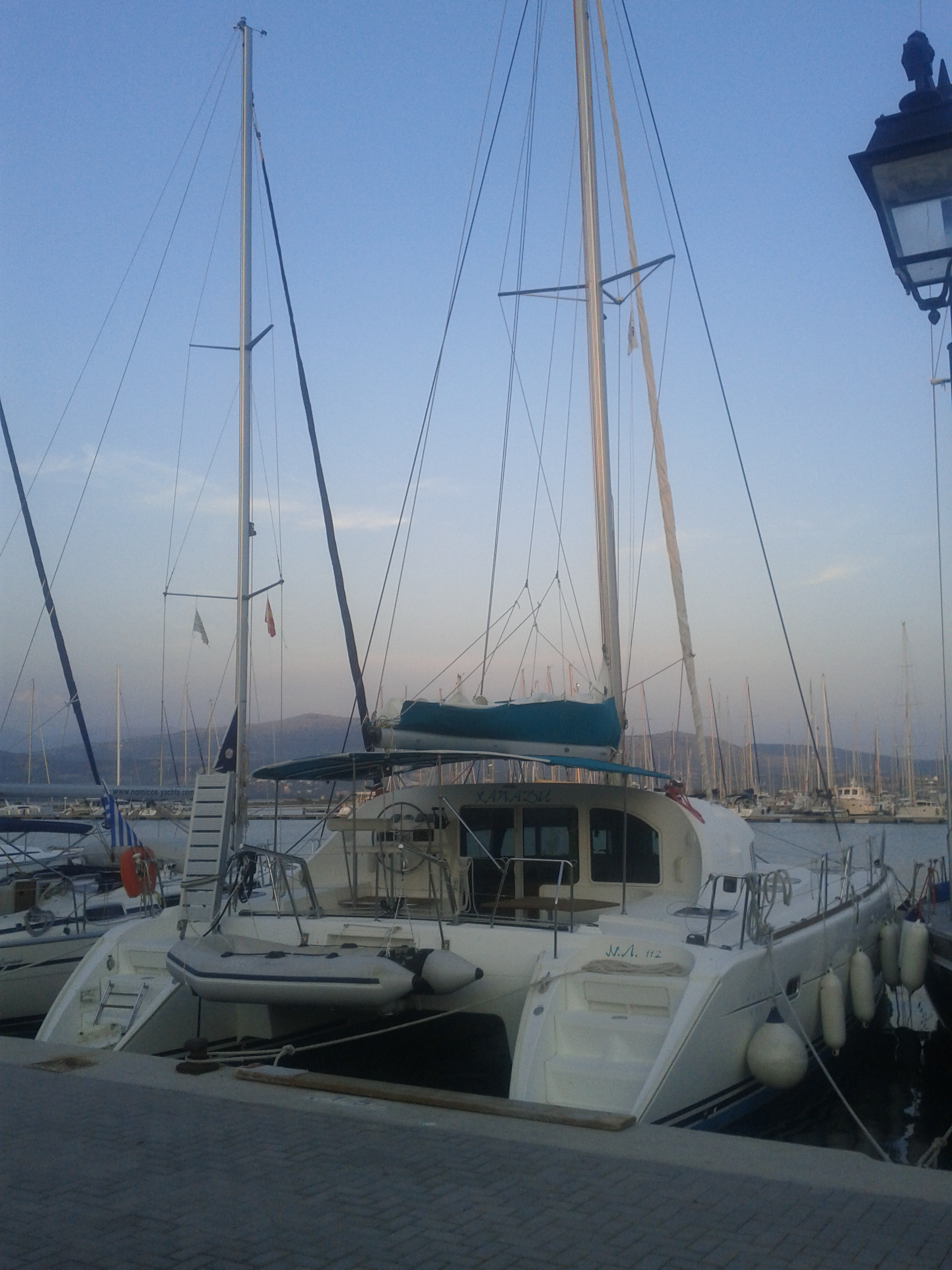
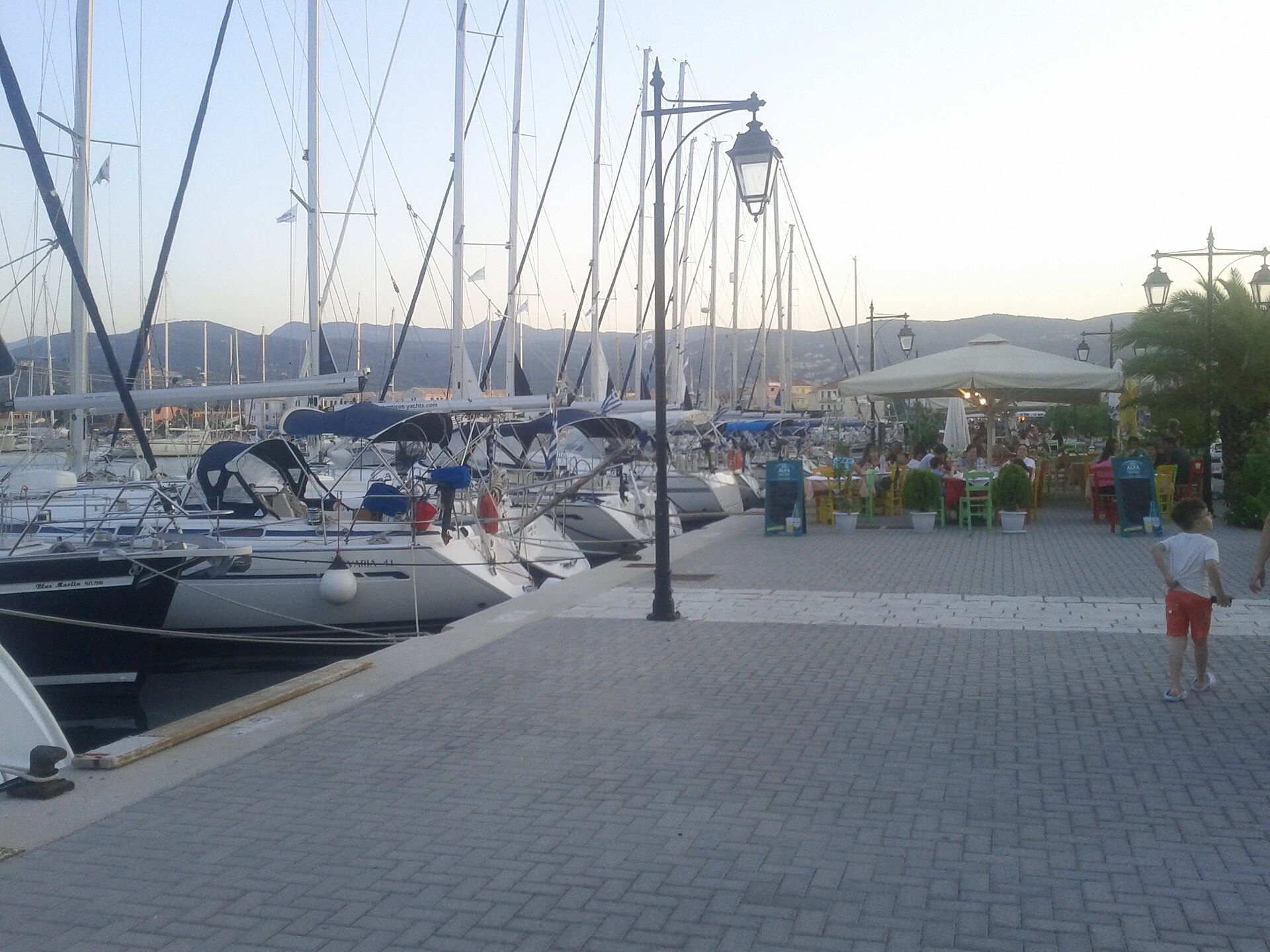
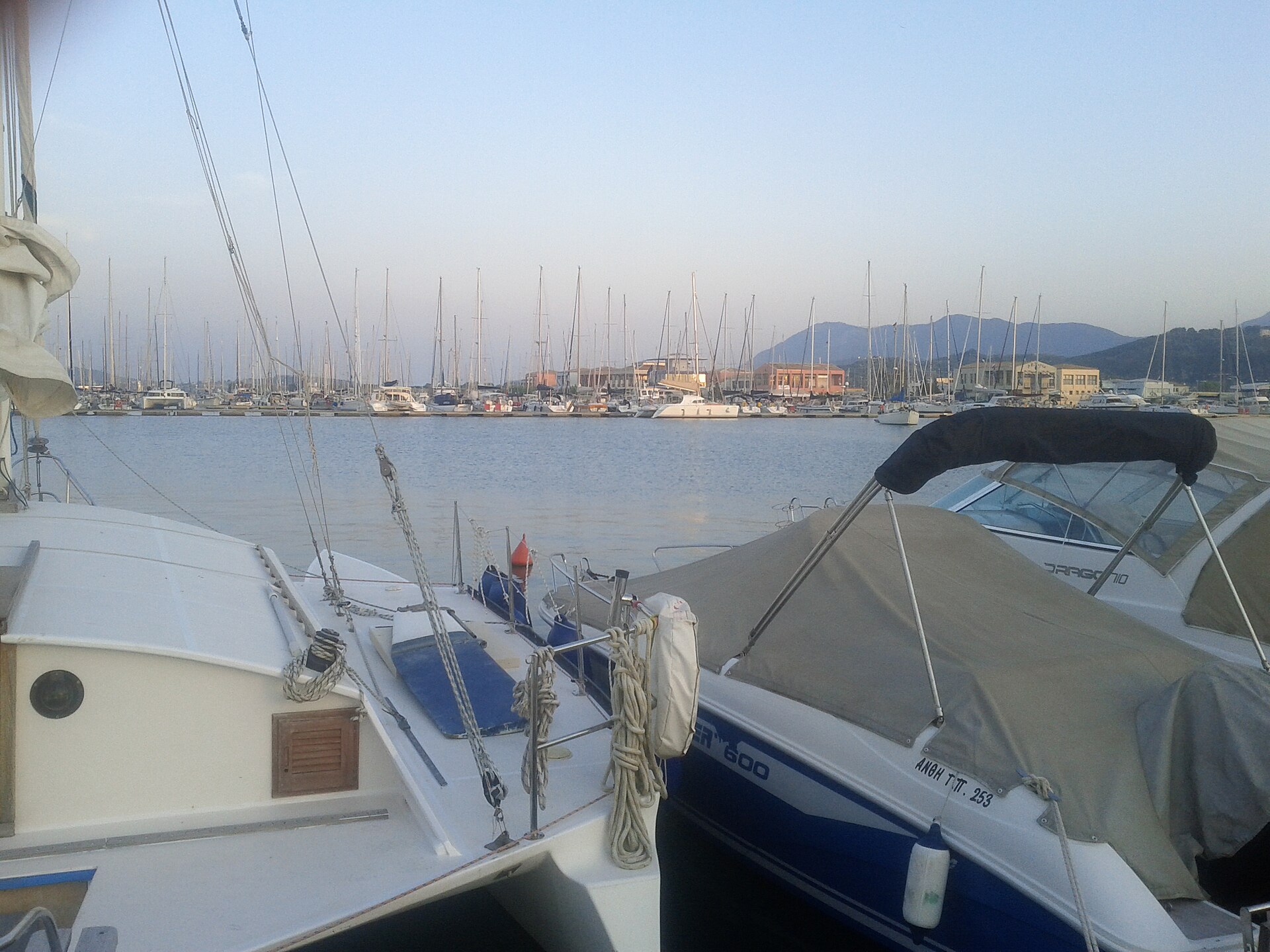
Kariotes enjoys a strategic position that allows some of the island's most interesting towns to be reached within minutes. To the south lies Ligia, a picturesque fishing village known for its distinctive harbor and excellent seafood dining. Ligia is the ideal place for an evening stroll among moored boats and to savor the flavors of Ionian cuisine. Continuing north, in less than five minutes by car you reach Lefkada Town, the island's capital, with its charming historic center of narrow lanes, colorful houses, and lively cultural life. This proximity allows guests staying in Kariotes to enjoy the village's tranquility without giving up the amenities, shops, and evening buzz that only a larger center can offer.
Traditions and flavors: land and sea cuisine
The table at Kariotes reflects the land's dual nature: the rural soul tied to the hinterland and the seafaring soul of the coast. Locally produced extra virgin olive oil is the base of every dish, characterized by an intense, fruity flavor. Among the specialties not to be missed is fresh fish, grilled or stewed according to traditional recipes. Also highly appreciated are garden produce, such as sun-ripened tomatoes and wild herbs. A distinctive feature of the area is the production of thyme and wildflower honey, with its unmistakable fragrance. There is no shortage of dishes typical of the island of Lefkada, such as "ladopita" (a sweet olive oil cake) and the famous Eglouvi lentils, grown in the nearby mountainous areas, which find a place on the menus of local taverns, offering an authentic, genuine flavor.
When to go and how to experience the village
The best time to visit Kariotes runs from late spring to early autumn. May and June are extraordinary months for nature lovers: the vegetation is in full bloom, temperatures are mild, and the village breathes an absolute stillness. September offers still-warm waters and a golden light that makes the salt-pan landscape particularly evocative. July and August are the hottest and busiest months, but Kariotes manages to maintain a calmer dimension compared to other parts of the island. To make the most of the place, the advice is to get around on foot or by bicycle to explore the local trails, and to take advantage of the early morning hours for archaeological visits, leaving the middle of the day for relaxing by the sea or in the shade of the olive trees.
FAQ
Kariotes è adatta alle famiglie con bambini?
Cosa vedere in un giorno a Kariotes?
È necessario noleggiare un'auto?
Dove si può parcheggiare per visitare le saline?
Ci sono sentieri per il trekking?
Getting there
- Aeroporto di Aktion (Preveza) - 25 km
- Non presenti sull'isola; Lefkada è collegata alla terraferma da un ponte mobile.
- Da Lefkada Town, procedere verso sud sulla strada costiera in direzione Nidri per circa 3-4 km.
- L'aeroporto di Aktion è collegato a Lefkada da bus navetta e taxi; il tragitto dura circa 30 minuti.
Perfect for
Perfetto per chi vuole scoprire le origini dell'isola tra le mura di Nirikos e le antiche saline veneziane.
Un'oasi di pace con mare calmo e servizi a portata di mano, ideale per una vacanza senza stress.
Le saline sono un paradiso per gli amanti dell'osservazione ornitologica e della fotografia naturalistica.
To see