

Liyia
Along the eastern coast of the island of Lefkada, where the Ionian Sea turns as calm as a lake and the silhouette of the Acarnania...
Updated 7 July 2026
The story
The story of Liyia
History: A Crossroads of Sea and Cultures
The history of Lygia is intrinsically tied to the fortunes of the island of Lefkada, a land that for centuries was contested between East and West. Although the village originally arose as a technical harbor and seasonal residence for the fishermen of the mountain villages such as Katouna, its soil has felt the footsteps of many different rulers. From the Corinthian influences of antiquity to the long Venetian period, which left an indelible mark on the architecture and gastronomic culture, Lygia absorbed every influence with resilience. After the French interlude and the British protectorate, the village experienced with fervor its definitive union with Greece in 1864, gradually transforming from a rural outpost into a coastal center of importance, while still preserving its seafaring vocation as a pillar of identity.
The Little Harbor of Lygia: The Beating Heart
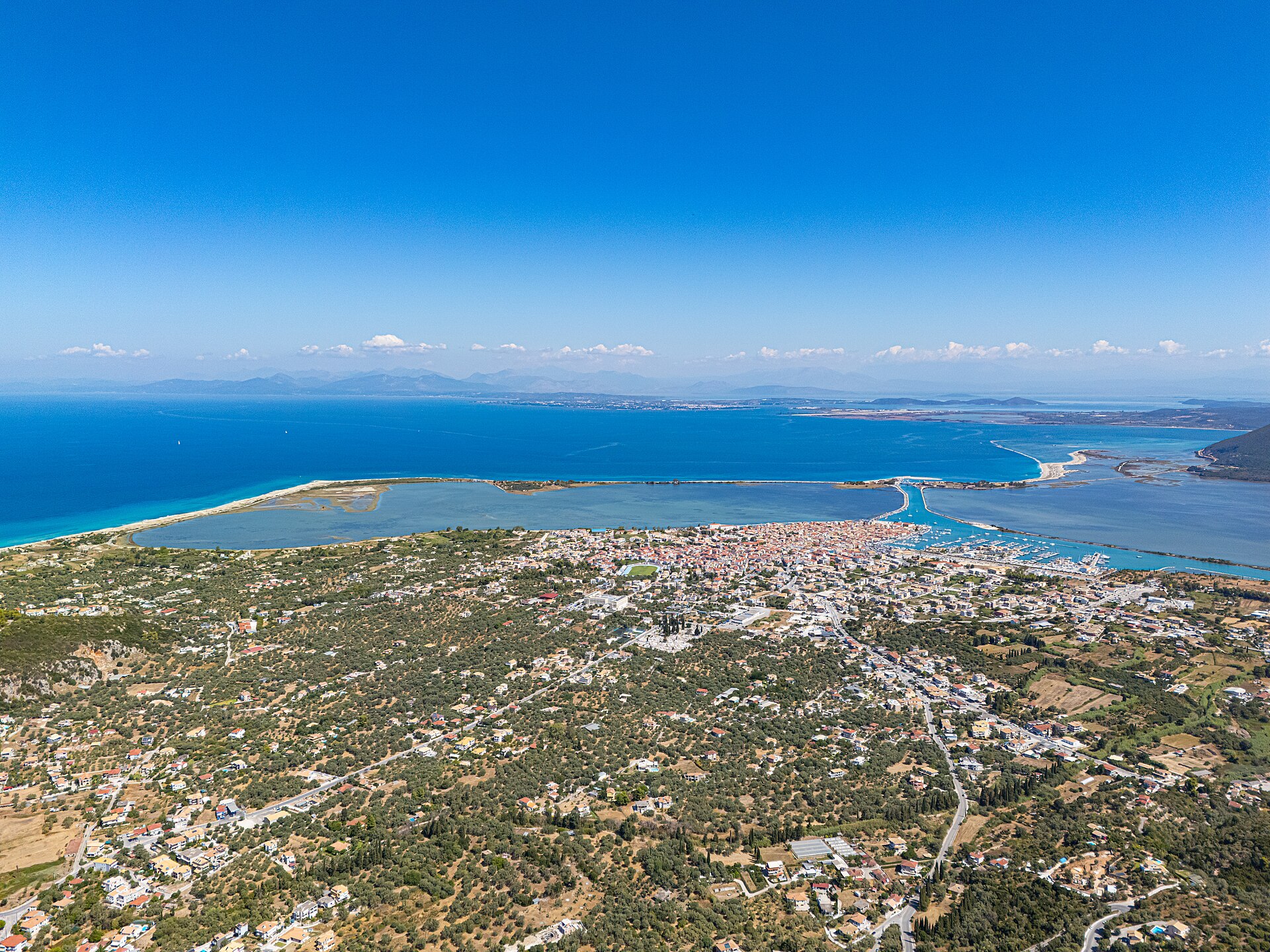
The harbor is the element that defines Lygia's identity. It is not just a mooring for boats, but an open-air stage where every morning the ritual of selling the day's catch takes place. The typical Greek boats, the 'kaikia', with their vivid colors ranging from blue to yellow, dot the quay in a unique display of color. This spot is considered by many to be the island's gastronomic center when it comes to seafood: the taverns overlooking the water draw directly from the nets of local fishermen. Strolling here at sunset, as the harbor lights begin to reflect on the still water, lets you capture the most intimate essence of Ionian life, made of simple gestures and an unbreakable bond with the sea.
The Ancient Salt Pans of Kariotes
A very short distance from the village of Lygia lie the historic salt pans of Kariotes, a site of extraordinary historical and scenic interest. These salt pans, whose activity dates back to the Venetian domination and continued until the mid-20th century, are an example of industrial archaeology perfectly blended into nature. Today the area is a protected zone where you can observe various species of migratory birds, including herons and, occasionally, flamingos. The evaporation basins, still visible today, tell of an era when salt was the island's 'white gold,' essential for preserving food and for maritime trade. It is a place of melancholic and evocative charm, ideal for a photographic stroll during the golden hours of the afternoon.
The Valley of Love
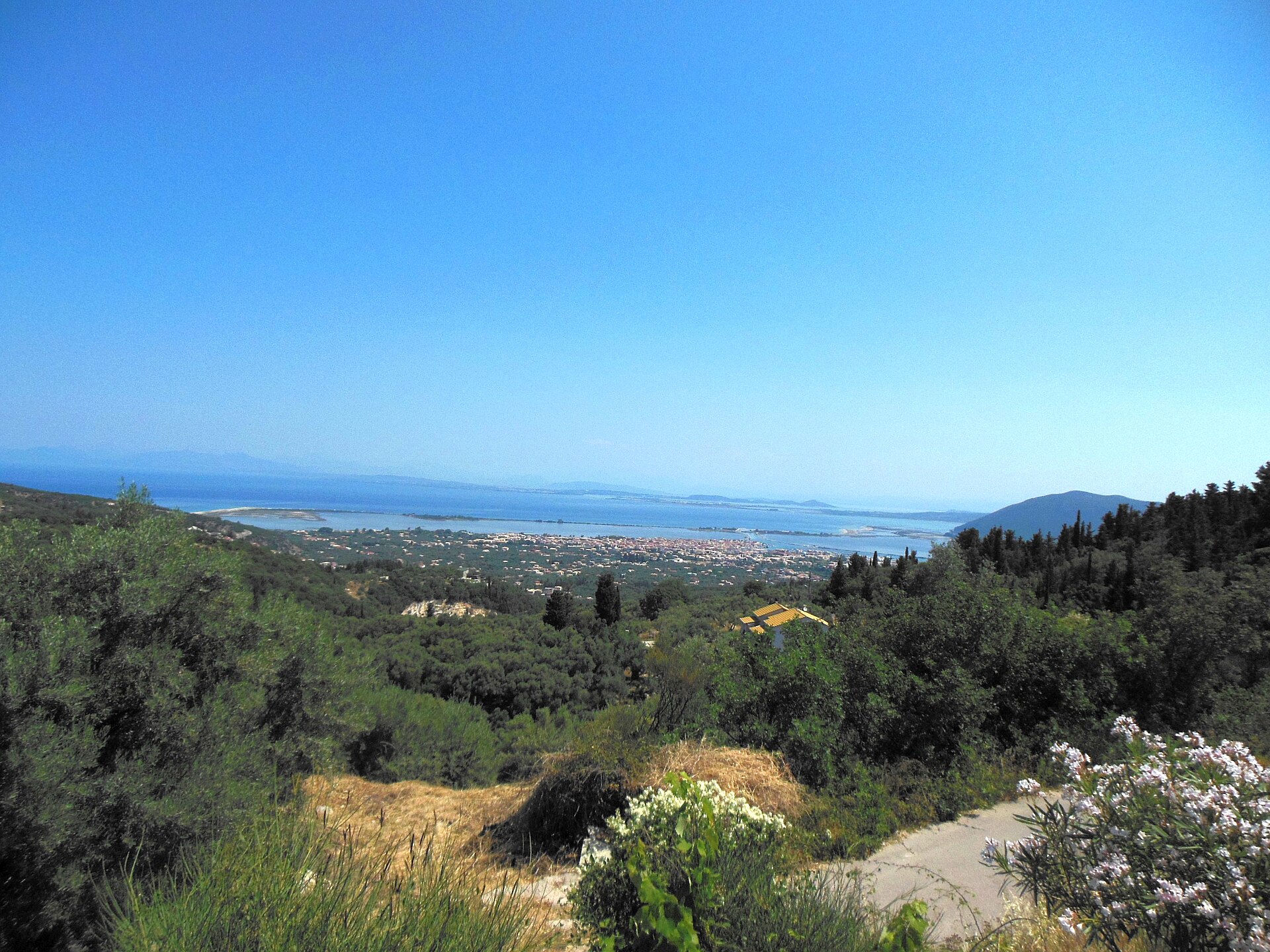
Hidden in the immediate hinterland of Lygia lies the so-called 'Valley of Love,' a lush green area where nature bursts forth in all its splendor. This spot, crossed by paths that wind among centuries-old plane trees and small streams, offers refreshing coolness even on the hottest summer days. Local legend has it that couples who walk through these woods are destined to stay together forever, but beyond the myth, the valley is a must-visit destination for lovers of trekking and birdwatching. The biodiversity here is astonishing, with flora that includes wild aromatic herbs such as thyme and sage, whose scent mingles with that of the nearby sea.
The Ancient Village of Katouna
Climbing the slopes above Lygia, you reach Katouna, the 'mother' village from which the coastal inhabitants originally descend. This traditional village is a jewel of stone architecture, with carefully restored houses and narrow cobbled lanes. Katouna offers a privileged vantage point over the Ionian coast and the satellite islands of Madouri and Skorpios. Visiting Katouna means taking a step back in time: the central square, dominated by an old church and a few traditional cafés, is the perfect spot to sip a Greek coffee in the shade while taking in the breathtaking view. The contrast between the coastal liveliness of Lygia and the almost sacred silence of Katouna is one of the most authentic experiences the municipality has to offer.
Beaches and Crystal-Clear Waters
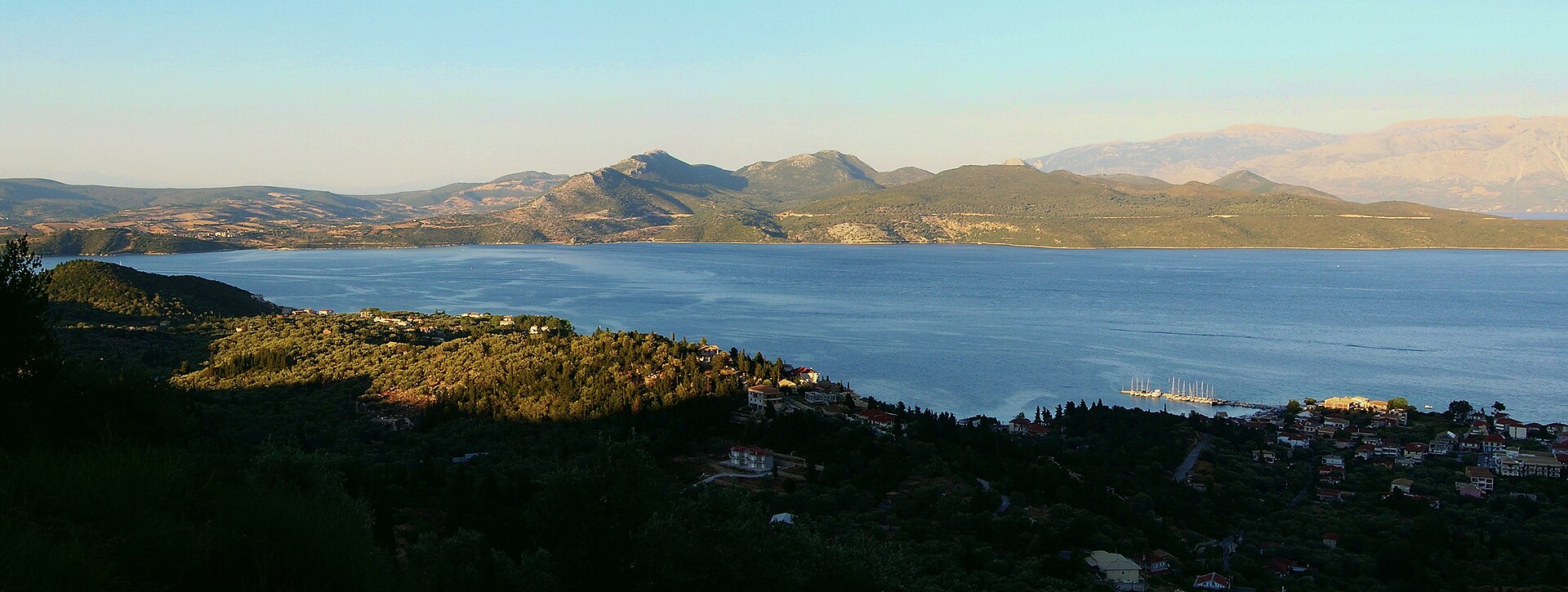
The coastline of Lygia is characterized by beaches of white, smooth pebbles that gently slope down into a sea of emerald hues. Unlike the large, windswept beaches of the western coast, here the waters are almost always calm and sheltered, making them ideal for families with children and for those who love swimming in peace. Small coves follow one another along the coast, some equipped with discreet loungers and umbrellas, others completely wild and reachable only on foot. The clarity of the water lets you admire the life-rich seabed just a few meters from shore, making snorkeling a much-loved activity. Do not expect glamour here, but the pure beauty of a sea that seems to belong to a pre-tourism era.
Landscape: Between Centuries-Old Olive Trees and Ionian Blue
The landscape surrounding Lygia is an ode to the Mediterranean scrub. The hills are covered by a dense blanket of olive groves, some of which boast specimens dating back to the Venetian period, with gnarled trunks that are true natural sculptures. This hilly hinterland not only shelters the village from the winds but also creates an ideal microclimate. Toward the sea, the coast is dotted with reed beds and tamarisks that offer natural shade on the beaches. The view constantly stretches toward the archipelago of the Ionian Islands, with the silhouettes of the mountains of mainland Greece changing color depending on the time of day, shifting from the violet of dawn to the fiery orange of sunset.
Flavors of the Sea: The Gastronomic Tradition
The cuisine of Lygia is a triumph of simplicity and freshness. The absolute protagonist is oily fish, often grilled with local olive oil and lemon. A signature dish not to be missed is 'Savoro,' fried fish marinated with rosemary, vinegar and raisins, a recipe of clear Venetian origin that has remained unchanged over the centuries. There is no shortage of local land produce either, such as the famous lentils of Eglouvi from the island's plateau, or thyme honey, with its intense, balsamic flavor. Pairing a meal with a glass of white Vertzami wine, made from local grapes grown on the island's limestone soils, is the best way to complete a sensory experience that speaks of place and passion.
Traditions and Local Life
Life in Lygia is still marked by religious feast days and the seasons of fishing. During the summer, it is not uncommon to come across village festivals, the 'panigiria,' where the traditional music of clarinet and violin accompanies communal dances that last until dawn. These occasions are when the community comes together and welcomes visitors with generosity, offering wine and local dishes. Popular culture is steeped in stories tied to the sea and the protection of the saints, with small votive chapels dotting the coast, built by fishermen in gratitude for surviving storms or for a bountiful catch. Taking part in one of these events means touching the true Greek soul with your own hands.
Experiences Not to Miss
- Rent a small motorboat from the harbor to explore the hidden coves of the eastern coast.
- Have dinner at one of the taverns on the pier as the evening fishing boats return.
- Take a morning walk to the Kariotes salt pans to observe the birdlife.
- Follow the trail that connects Lygia to Katouna to enjoy the panoramic view.
- Taste the traditional 'Savoro' at one of the village's old ouzeries.
- Buy olive oil and honey directly from local producers at the village markets.
When to Go and How to Experience the Place
The best time to visit Lygia runs from May to October. Late spring (May and June) is exceptional for wildflower blooms and mild temperatures that allow for long walks. September and early October offer still-warm waters for swimming and absolute tranquility, far from the crowds of the summer months. To fully experience Lygia, the advice is to leave the car behind and get around on foot or by bicycle within the village. Let yourself be guided by the scents and sounds: the noise of the waves, the chatter of the fishermen at the harbor and the chirping of the cicadas will be the soundtrack to a rejuvenating holiday.
FAQ
Le spiagge di Liyia sono adatte ai bambini?
È facile trovare parcheggio a Liyia?
Quanto dista Liyia dalla città di Leucade?
Ci sono opzioni vegetariane nelle taverne locali?
Getting there
- Aeroporto di Aktion (PVK) - 25 km
- Non presenti sull'isola; collegamenti via bus KTEL da Atene e Patrasso.
- Si raggiunge attraversando il ponte mobile che collega Leucade alla terraferma, seguendo poi la strada costiera verso sud per circa 6 km.
- Noleggiare un'auto o uno scooter è consigliato per esplorare le spiagge della costa occidentale partendo da Liyia.
Perfect for
Un paradiso per gli amanti del pesce fresco e della cucina tradizionale greca con influenze veneziane.
Perfetto per chi cerca ritmi lenti, mare calmo e un'atmosfera autentica lontano dal turismo di massa.
Le acque sicure e la facilità di accesso ai servizi rendono Liyia una meta eccellente per chi viaggia con bambini.
To see