Zakinthos
Welcome to Zante, or more properly Zakynthos, the island the Venetians christened the "Flower of the Levant"
Updated 7 July 2026
This season · July · Summer
What to do in Zakinthos now
The story
The story of Zakinthos
A history of myth and rebirth
The origins of Zakynthos are rooted in myth: legend has it that the island's first inhabitant was Zakynthos, son of the Trojan king Dardanus, who arrived here around 1500 BC. Mentioned by Homer in the Odyssey as "wooded Zacynthus", the island enjoyed a crucial strategic position on the routes between West and East. After Roman and Byzantine rule, it was the Republic of Venice that shaped the island's face most profoundly, for over three centuries, from 1484 to 1797. Under the Lion of St Mark, Zante became a first-rate cultural and economic centre, nicknamed the "Florence of Greece". Brief but intense French and Russian occupations followed, and finally the British protectorate, until the definitive union with Greece in 1864. The most dramatic event in its modern history was the 1953 earthquake, which razed much of the historic buildings to the ground; nevertheless, the faithful reconstruction of many monuments has preserved the Venetian charm that still enchants visitors today.
Solomos Square and the heart of the city
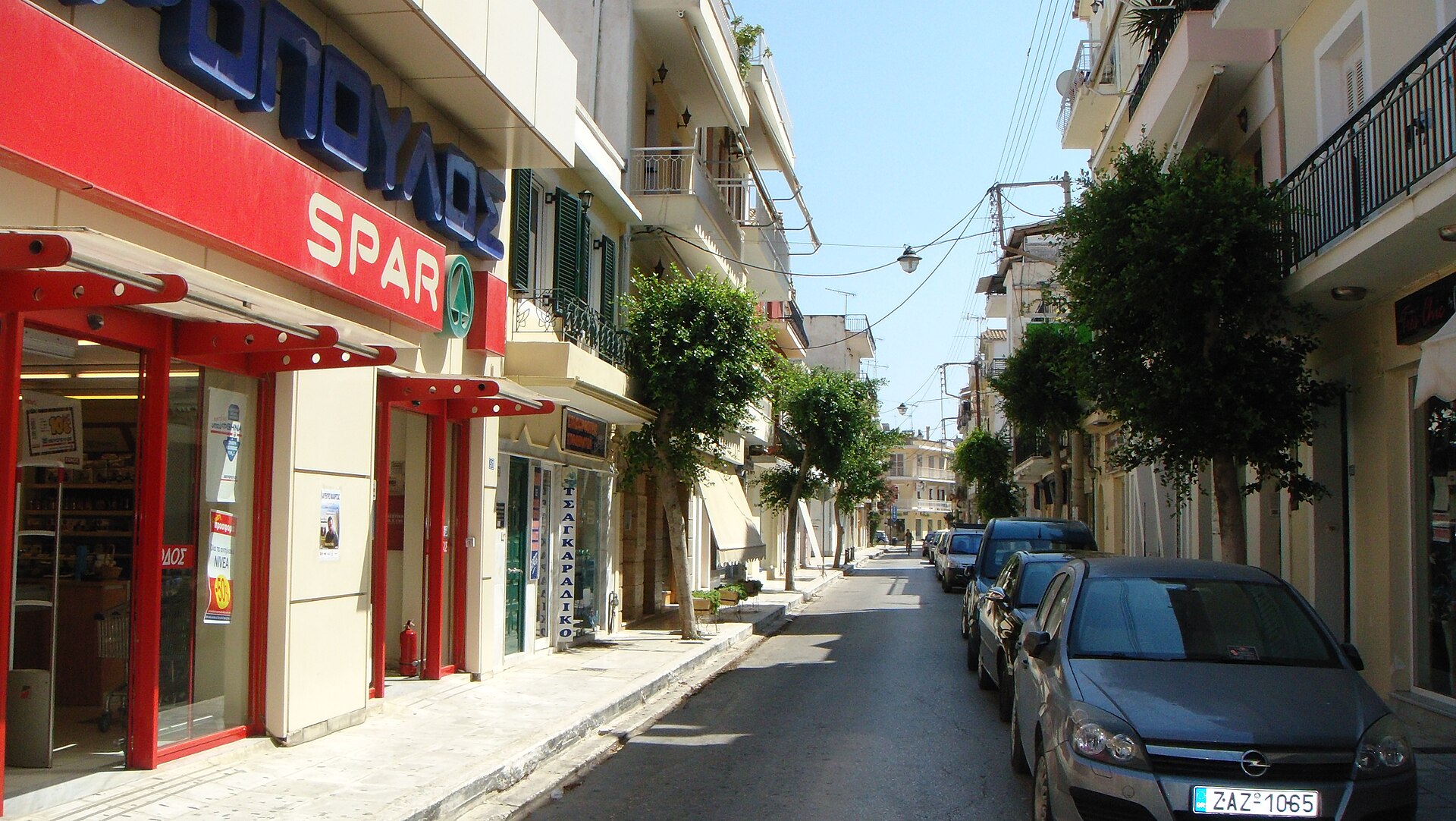
The hub of Zakynthos's social and cultural life is undoubtedly Solomos Square, a vast open space that looks directly onto the sea. Dedicated to the poet Dionysios Solomos, the square is surrounded by imposing buildings rebuilt in the pre-earthquake architectural style, characterised by elegant arches and symmetrical windows. At its centre stands the poet's statue, while on the northern side lie the Town Hall and the Municipal Library, home to rare documents on Ionian history. This space is not merely a meeting point but a true open-air stage where cultural events and religious celebrations take place, offering a privileged view of the fusion between Venetian urban order and contemporary Greek vitality.
The Church of Agios Dionysios
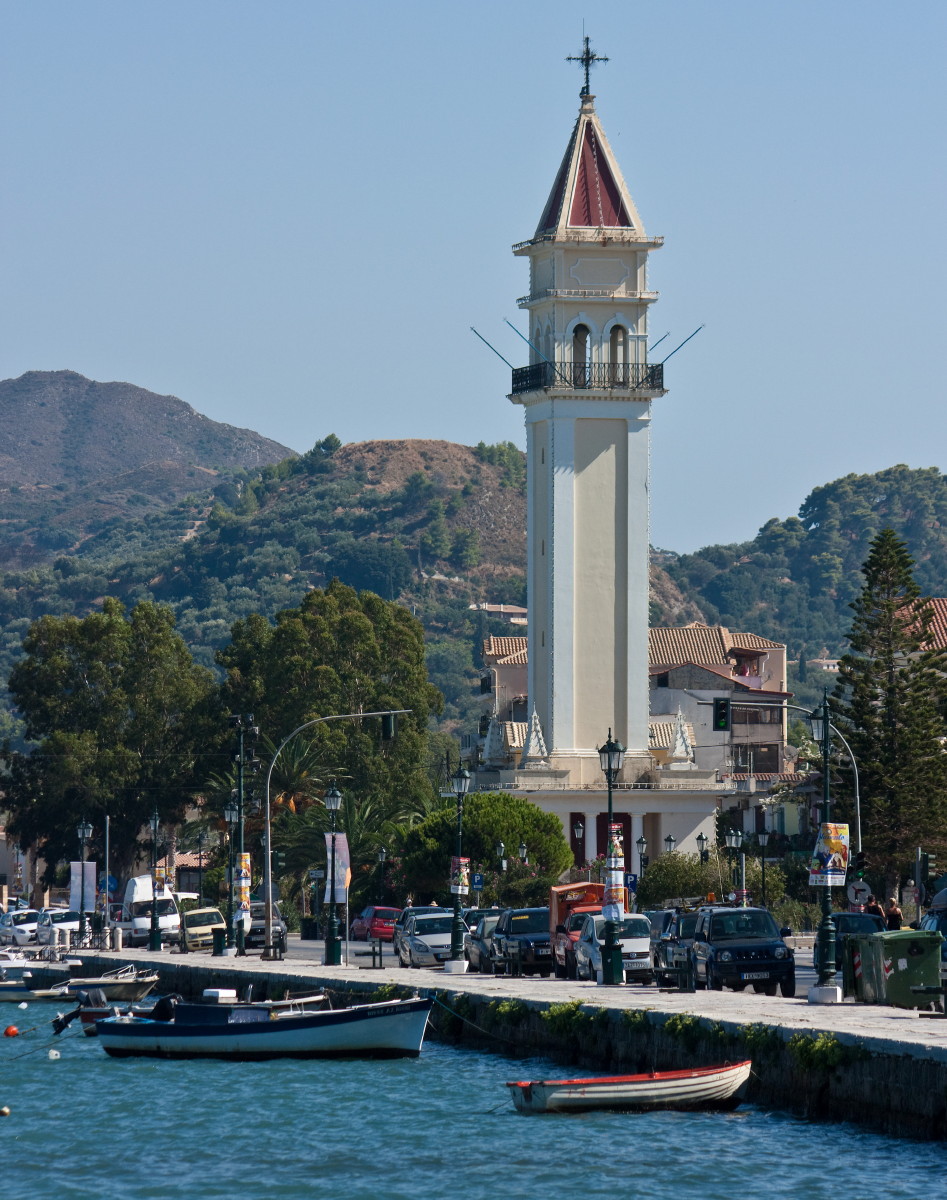
Dedicated to the island's patron saint, the Church of Agios Dionysios is Zante's most important religious monument. Standing along the harbour pier, the building immediately strikes visitors with its tall bell tower rising above the city's rooftops, clearly echoing that of St Mark's in Venice. Having miraculously survived the 1953 earthquake thanks to solid earthquake-resistant construction, the church houses the relics of the Saint, kept in a finely wrought silver urn. The interior is a triumph of Byzantine art, its walls entirely covered in gilded frescoes and crystal chandeliers reflecting a soft light, creating an atmosphere of deep spirituality and devotion that draws pilgrims from all over Greece.
The Post-Byzantine Museum
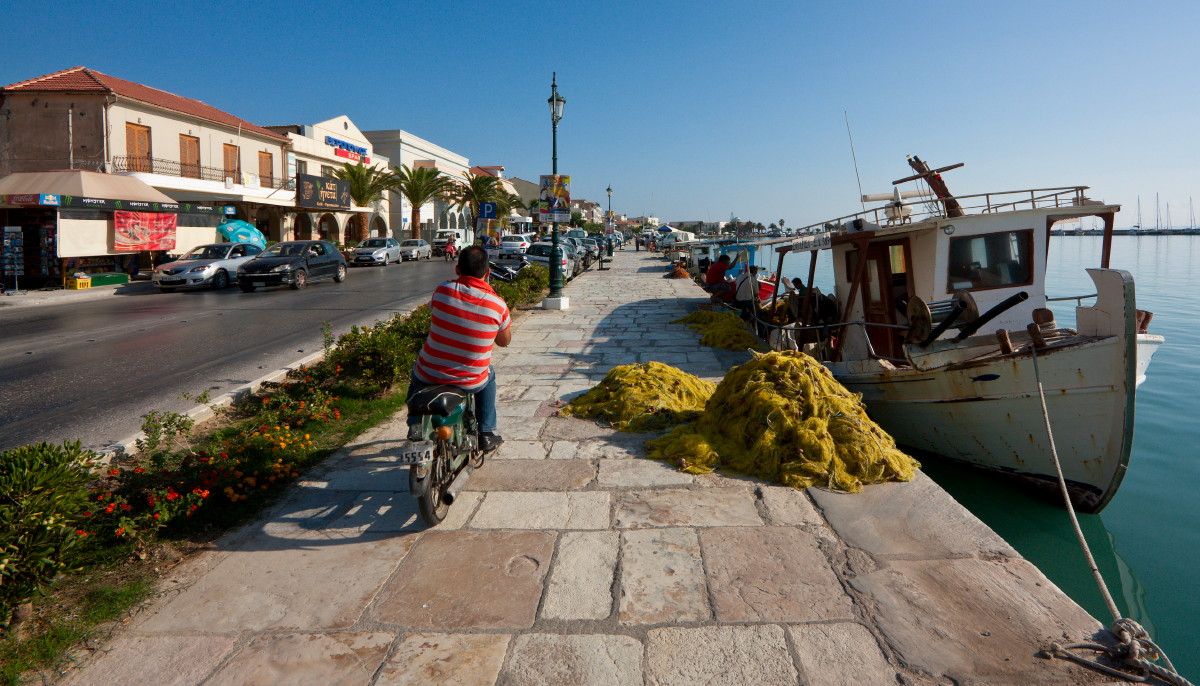
Located on the eastern side of Solomos Square, the Post-Byzantine Museum is an essential stop for anyone wishing to understand the island's artistic evolution. This treasure chest houses an extraordinary collection of sacred icons, wooden sculptures and frescoes rescued from the rubble of churches destroyed by the earthquake. Particularly noteworthy are the works of the so-called Ionian School, a unique pictorial style that blends the rigid canons of Byzantine tradition with the perspective techniques and realism of the Italian Renaissance. Wandering through the halls, visitors can also admire a scale model of the city of Zante as it looked before 1953, a precious record that recreates the image of an aristocratic capital rich in architectural details now lost.
Bohali and the Venetian Castle
Climbing the hill overlooking the city, you reach the village of Bohali, the island's most striking viewpoint. Here, amid narrow lanes and flowering gardens, lie the remains of the old Venetian Fortress, built on the ruins of the classical acropolis. Although much of the walls have been damaged by time and earthquakes, the site retains the charm of great military works, with its bastions and entrance gates decorated with the Lion of St Mark. Walking among the ruins, immersed in a silent pine wood, affords a breathtaking view that takes in the whole harbour, the fertile plain and, on clear days, the coasts of the Peloponnese. Bohali is also the ideal spot for an evening stop, when the lights of the city below begin to twinkle and the air turns cool.
Shipwreck Beach (Navagio)
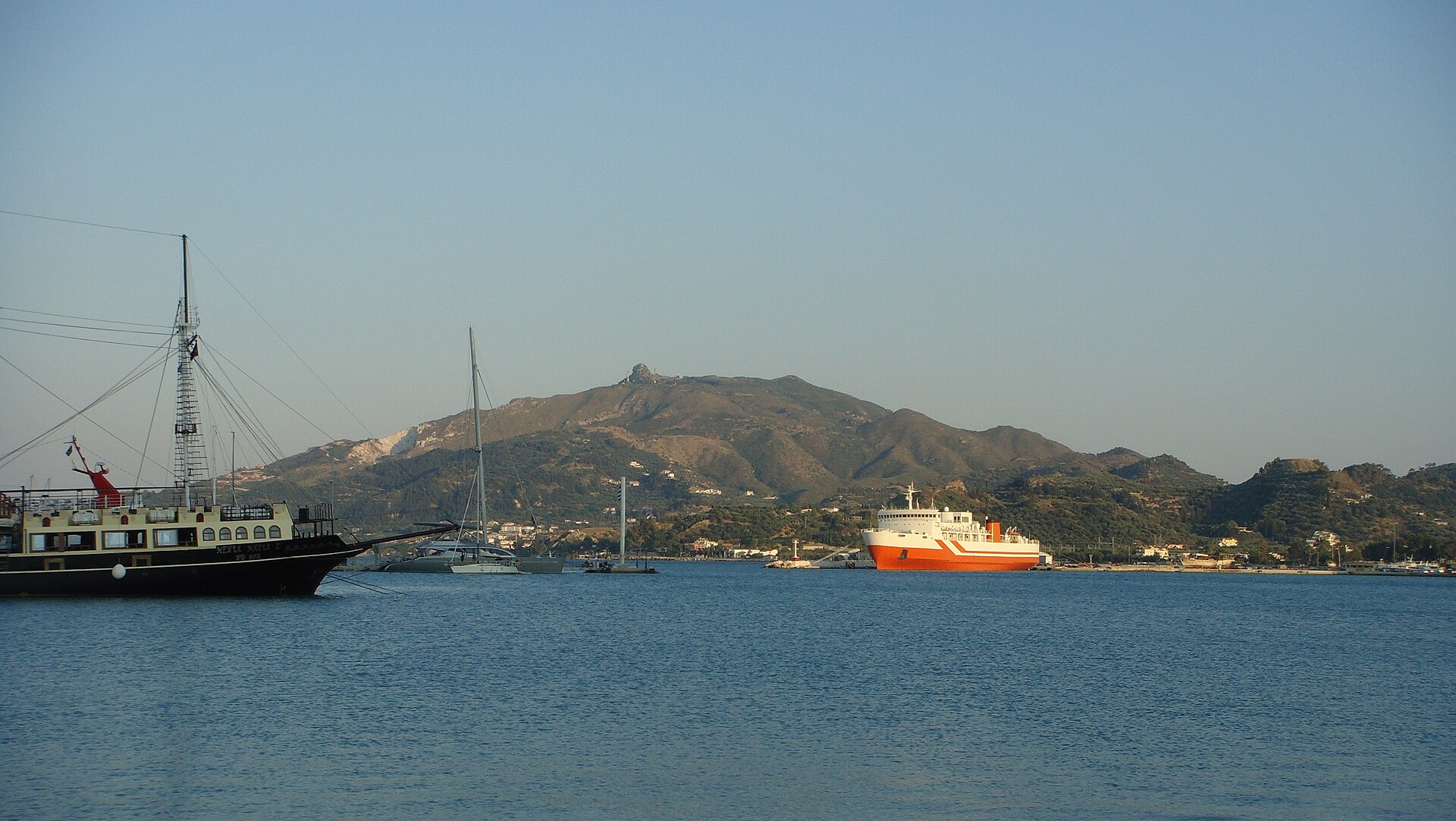
Zante's undisputed symbol worldwide, Shipwreck Beach (Navagio) is a place of almost surreal beauty. Nestled between towering white limestone cliffs on the north-western coast, this bay has, since 1980, been home to the rusting remains of the motor vessel Panagiotis, wrecked in a storm while smuggling cigarettes. The contrast between the wreck's oxidised metal, the pure white sand made of limestone pebbles and the fluorescent blue of the water creates an unforgettable visual scene. Accessible only by sea, the beach offers a unique sensory experience, where the force of the natural elements seems to have swallowed up human history. To admire it from above, there is a viewing platform on top of the cliff, from which the famous photograph that made the island globally renowned is taken.
The Blue Caves of Volimes
Along the northern coast, near Cape Skinari, sea erosion has carved out a series of natural arches and cavities known as the Blue Caves. The peculiarity of these caves lies in an extraordinary optical phenomenon: sunlight, reflecting off the sandy seabed and limestone walls, tints the water and anything immersed in it an intense electric blue. Entering the tunnels aboard small boats, one has the impression of sailing through a luminescent liquid. It is one of the most fascinating geological sites in the Ionian Islands, perfect for snorkelling enthusiasts, who can swim among silvery reflections and particularly lively marine life, surrounded by wild, unspoilt nature.
The Marine Park and Laganas Bay
The southern part of the island is dominated by the Zakynthos National Marine Park, established to protect the nesting sites of the loggerhead sea turtle. Laganas Bay, with its fine sandy beaches and warm, shallow waters, is one of the main sanctuaries for this species in the Mediterranean. Within the park also lies the islet of Marathonisi, often called "turtle island" for its shape reminiscent of the reptile and for its unspoilt beach where the turtles lay their eggs. Visiting this area calls for respect and care: motor boats are subject to strict restrictions and some zones are off-limits to the public during the breeding season, thereby safeguarding the survival of an extremely delicate ecosystem of extraordinary natural value.
Gastronomic traditions and local flavours
Zante's cuisine reflects its generous land, where extra virgin olive oil and aromatic herbs take centre stage. Among the typical dishes, "Sartsa" stands out, a beef stew with tomato, garlic and the characteristic local cheese "Ladotyri", a spicy pecorino preserved in oil. You cannot leave the island without tasting "Mantolato", an artisanal nougat made from egg white, honey and almonds, a legacy of Venetian tradition, or "Pasteli", crunchy bars of sesame and honey. Local wines, such as the white Verdea, are the fruit of native grape varieties grown on the central plains and pair perfectly with outdoor summer dinners, often accompanied by the melancholic, romantic notes of Zantiot serenades.
- Admire the sunset from the Keri lighthouse, with views over the Mizithres sea stacks.
- Explore traditional inland villages like Exo Hora, home to the thousand-year-old olive tree.
- Take a boat trip to the island of Marathonisi to spot the turtles.
- Visit the Roma family house-museum to discover the island's aristocratic way of life.
- Follow the trails of Mount Skopos up to the church of Panagia Skopiotissa.
- Taste Ladotyri cheese in a traditional mountain tavern.
When to go and how to experience the island
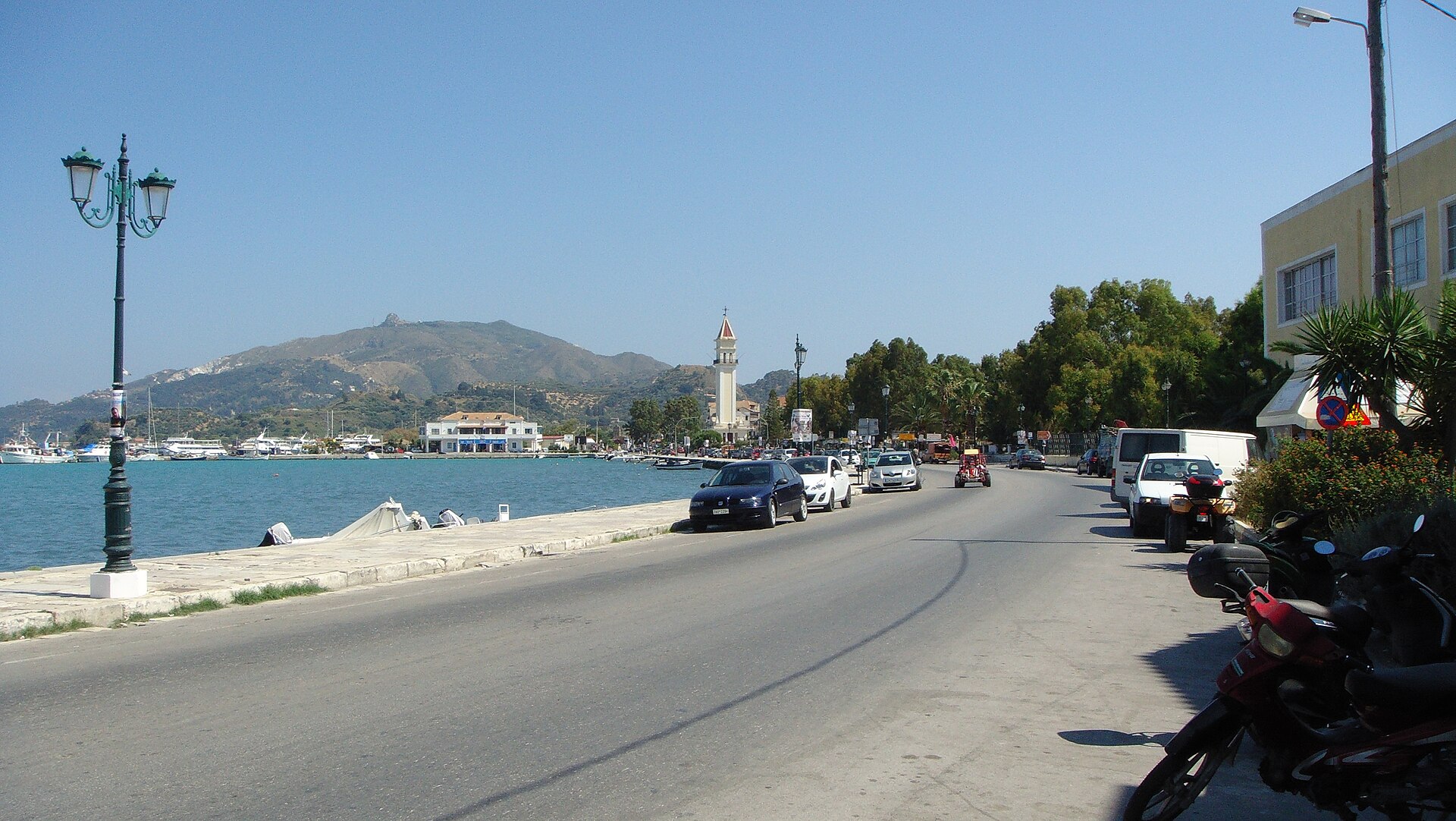
The ideal period to visit Zakynthos runs from May to October. Late spring (May and June) is perfect for nature lovers: the island is in full bloom, temperatures are mild and the beaches are not yet crowded. July and August are the hottest, liveliest months, ideal for those seeking nightlife and entertainment, especially in the Laganas and Argassi areas. For those who prefer tranquillity and wish to enjoy the sea in total relaxation, September and early October offer waters still warm and a quieter, more authentic atmosphere. To get around the island, renting a car or scooter is highly recommended, as it allows you to reach the most hidden coves and hillside villages not extensively served by public transport.
FAQ
Qual è il modo migliore per vedere la Spiaggia del Relitto?
È possibile nuotare con le tartarughe?
Zante è adatta alle famiglie con bambini?
Quanto tempo serve per visitare l'isola?
Getting there
- Aeroporto Internazionale di Zante 'Dionysios Solomos' (ZTH) - situato a circa 4 km dalla città principale.
- Non sono presenti linee ferroviarie sull'isola.
- Si arriva tramite traghetto dal porto di Kyllini (Peloponneso), con una traversata di circa un'ora. Sull'isola è consigliata l'auto per la libertà di movimento.
- Prenotate il traghetto in anticipo se viaggiate con auto al seguito durante l'alta stagione (luglio-agosto).
Perfect for
Dalle tartarughe Caretta caretta alle scogliere del Navagio, l'isola offre scenari costieri tra i più spettacolari del Mediterraneo.
L'eredità veneziana e la rinascita post-terremoto rendono il capoluogo un centro di grande interesse architettonico e letterario.
Un viaggio tra i sapori decisi del formaggio Ladotyri, la dolcezza del Mantolato e l'aroma del vino Verdea.
To see